

















As Easy as Setup, Configure, Flourish
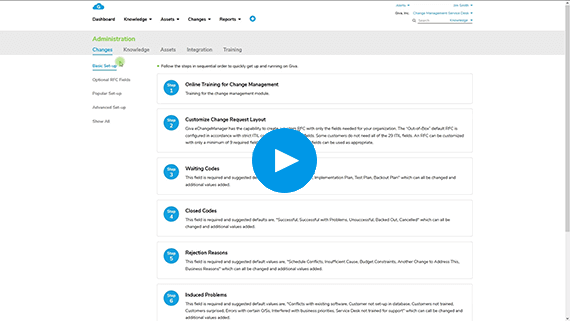
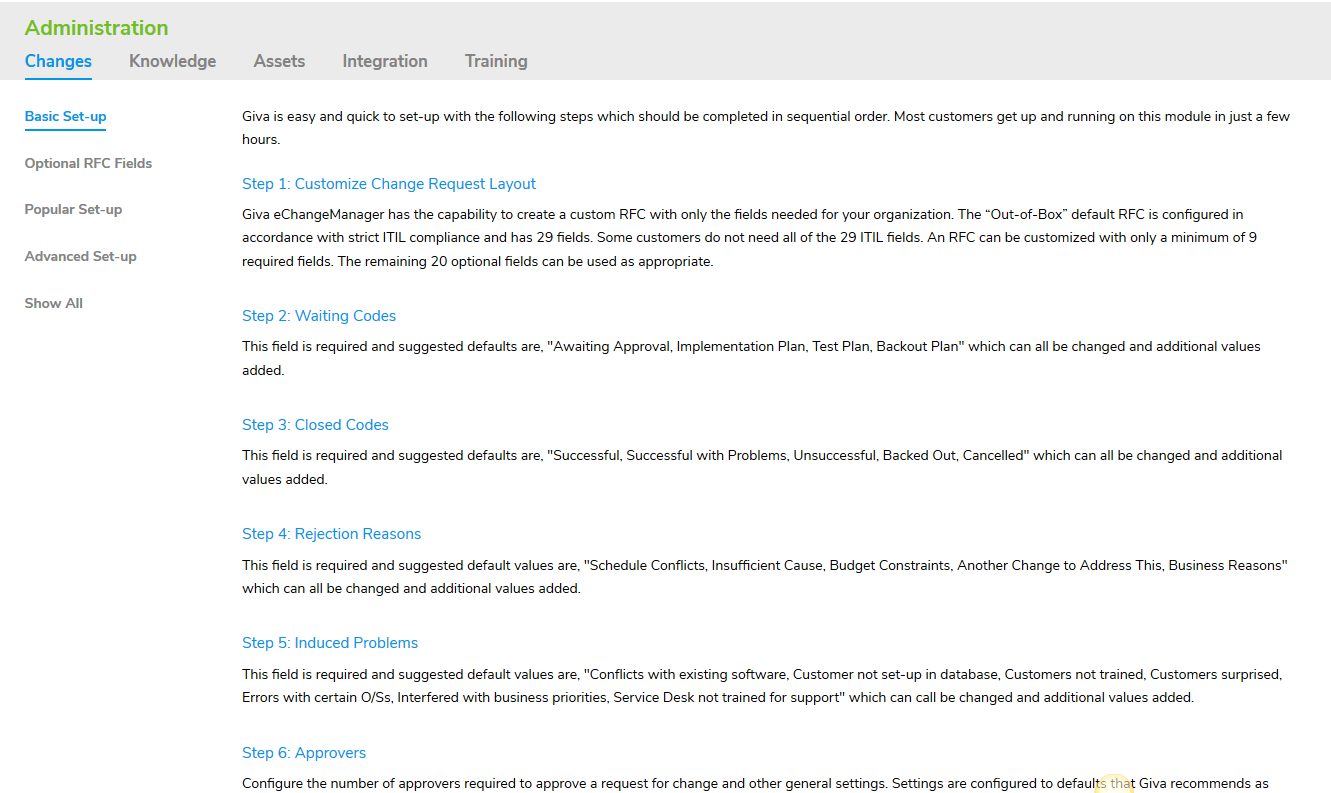
Highly Customizable, Deploy & Train in Just Hours
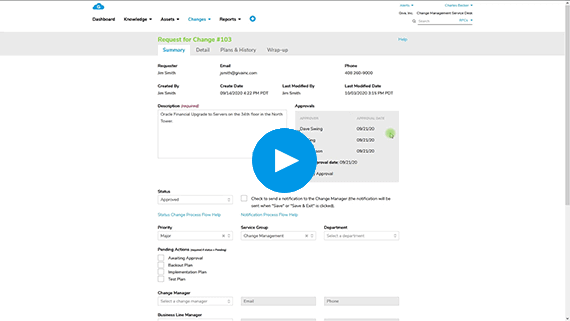
Simple to Configure Approval Process


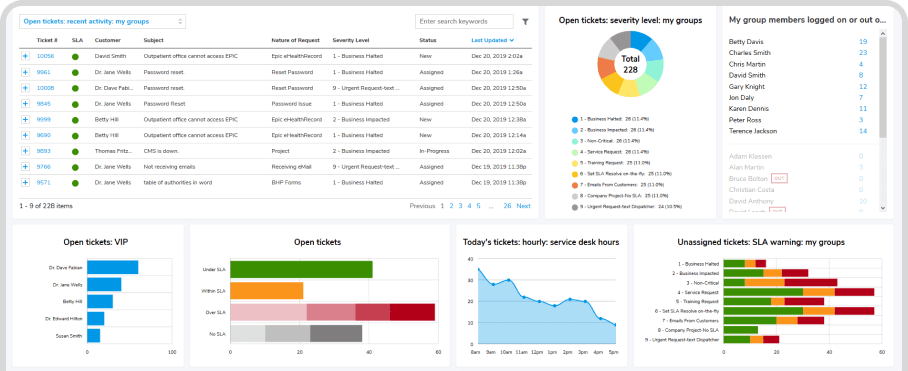
Take a tour of the standalone Giva ChangeManager™ Dashboard, reports, workflow and notifications.
-
Interactive RFC monthly calendar provides an overview of the entire change management process.

-
Easy to use change request, approval and change control workflows.

-
Hardware & software assets can be linked to change requests.

-
All details and files are included in one place.

-
Weekly view of RFC calendar assures that changes do not conflict.

-
Easy to set-up with default settings and workflows. At no cost to you, Giva's well-trained product experts will answer questions and make setup/configuration recommendations during the 30-day trial.
Customer Testimonials
<
>

We selected Giva in 2014 because you were $1 million cheaper and had about 80% of the functionality of ServiceNow®, and we could get up and running in many orders of magnitude less time with Giva than ServiceNow.
Mike Norman
Director
Westway is very satisfied with the hosted service and benefits provided by Giva. When comparing all of our IT vendors, Giva's commitment and passion in maintaining its products and providing excellent customer service is 'best in class' and clearly distinguished above the rest of our vendors.
Peter Griffiths
IT Director
With Giva's dashboards and reporting, we are better prepared for internal and external audits. Our latest external audit went very well and the Giva solution received positive feedback!
Paul King
IT Change Manager
The technical support provided by Giva has been exceptional. Their responsive team typically addresses our queries within an hour, providing detailed guidance. The inclusion of support, without additional fees, adds significant value to the service.
Charbel Constantine
IT Manager
Rated 4.9/5 by Verified Customers
Giva holds a 4.9 out of 5 rating from dozens of verified reviews on Software Advice, with customers in healthcare, banking, and government citing HIPAA-ready security, fast setup, and responsive US-based support.
Reviewers consistently point to how quickly teams get comfortable with Giva, training new users in as little as ten minutes and typically within an hour, with one bank going live in just two days. That ease of use tends to translate into lasting relationships, with customers reporting five, six, and even twelve years on the platform, repeat purchases from returning buyers, and, at one children's mental health provider, no unscheduled downtime in six years. Across Giva's full customer base, median customer tenure runs about 12.8 years.
Reviewers also consistently describe switching to Giva from major enterprise platforms including ServiceNow®, Zendesk®, Freshdesk®, Jira®, and BMC®, with one healthcare customer rating Giva "Superior to ServiceNow, Remedy, Freshdesk, Jira, and ZenDesk."
More recent reviews also praise the Giva Copilot, whose AI-generated ticket summaries with customer sentiment and suggested next steps are credited with boosting team productivity.

Simple Pricing
Professional
$76/Per Agent/Month License Cost
(USD, billed annually)
Start a Free Trial
No credit card - Free setup help
- Up to 10 agents
- Up to 1500 end users or customers
- 3 service desks*
- 3 email inboxes for converting emails into service requests
Enterprise
$98/Per Agent/Month License Cost
(USD, billed annually)
Start a Free Trial
No credit card - Free setup help
- No maximum number of agents
- Unlimited end users or customers
- Unlimited service desks*
- Unlimited email inboxes for converting emails into service requests
Plus
- Concurrent & Floating License Tokens available to reduce cost for less active agents and senior personnel.
For more information, see:
- Customer Success Manager
* What is a Service Desk?
Service Desks are unique and independent instances of Giva which can be configured for any department such as Information Technology, Customer Service, Facilities, Marketing, Research, etc. Use multiple Service Desks for privacy, security or when you want to isolate information from different departments or organizations that perform very different functions.
All Plans Provide:
Unlimited Everything — AI Copilot, Storage & Expert Support
- Unlimited storage
- Unlimited usage of AI Copilot
- Unlimited routine technical support
- Unlimited set-up assistance with product experts
- Minimum of 5 licenses required
Enterprise-Grade Security & Compliance Built In
- Advanced data center security for healthcare, banking, legal, & governments or any nonregulated industry
- HIPAA & HITECH compliance
- Giva will sign your Business Associates Agreement (BAA) to ensure full compliance in your state(s)
- SSAE 18 SCO 2 Type 2, GDPR (EU), PIPEDA (Canada) & SOX compliance
- Cyber Liability insurance policy
Giva Change Management Software FAQs
It's an ITIL-aligned platform for logging, vetting, approving, and tracking Requests for Change (RFCs) through a centralized system of record, with configurable approval workflows, a change calendar, and real-time dashboards — deployable and trainable in just hours.
It's genuinely standalone — you can run it on its own without any other Giva product. It's also available as an integrated module inside Giva's Help Desk and ITSM products, so you can add change management to an existing Giva deployment or run it independently, whichever fits your organization.
Yes — Change Management integrates directly as a module into any of Giva's other products, linking change requests to the same hardware/software assets and tickets you're already tracking.
There's no AI Copilot for Change Request (RFC) entries themselves. However, for the Knowledge Management module, you get access to the Knowledge Copilot — a Retrieval-Augmented Generation (RAG) tool that answers only from your organization's own knowledge articles (not the open internet), running in a private, dedicated Microsoft Azure/OpenAI environment where your data is never used to train Microsoft, OpenAI, or any third-party models.
Yes — it comes with out-of-the-box ITIL®-aligned defaults for change request, approval, and change control workflows, and it can link hardware and software assets directly to change requests.
Yes — like all Giva products, HIPAA/HITECH compliance is included at no additional cost and backed by cyber liability insurance, along with SSAE 18 SOC 2 Type 2, GDPR, PIPEDA, SOX, and CCPA compliance, and a signed BAA where needed.
Change Management follows Giva's standard licensing: Professional at $76/agent/month and Enterprise at $98/agent/month (billed annually, 5-license minimum), with Fixed, Concurrent, and Floating license options available to mix and match by role.
Giva ChangeManager™ can be deployed and configured with default ITIL settings and workflows in just hours, with free setup assistance from Giva's product experts during the 30-day trial and afterward.
Yes — hardware and software assets tracked in Giva can be linked directly to change requests, so you can see what's affected by a proposed change in one place.
The same regulated and compliance-conscious industries Giva serves broadly — healthcare, financial services, legal, higher education, and government — where formal change control and audit trails are required.
Schedule a demo now, or start your own free, 30-day trial today.
Get free set-up assistance. At no cost to you, Giva's well-trained product experts will answer questions and make setup/configuration recommendations during the 30-day trial.
Start a Free Trial
Get a Demo