Support Strategies: Mastering Help Desk Excellence

Expert guidance on optimizing help desk operations, enhancing service quality, and supporting users effectively

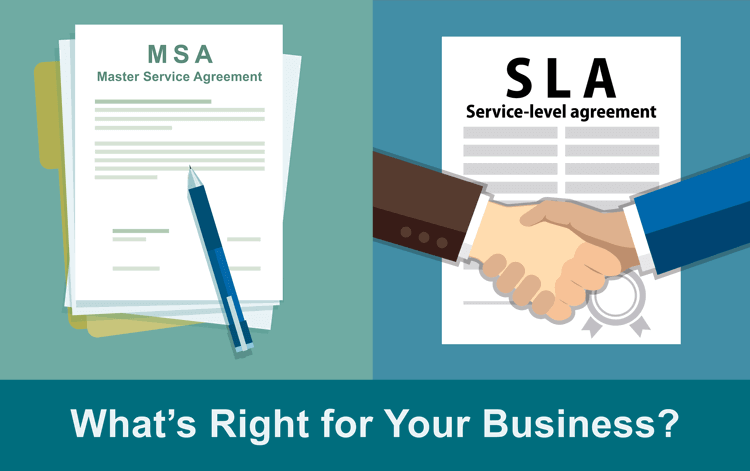
Master Service Agreement (MSA) or Service Level Agreement (SLA): Which Do You Need in Business?

Master Service Agreement (MSA) vs Service Level Agreement (SLA)

In the IT sector, internal and external relationships are often governed by legal or quasi-legal documents. In IT and ITSM, the terms "Master Service Agreement" and "Service Level Agreement" are often used interchangeably. 

However, there are differences between the two kinds of agreements that can impact how you want to use them in your organization. While both can be used for similar purposes — such as establishing clear expectations for internal IT service providers or external vendors — what separates them and how they're used are sufficiently different that it's worth taking the time to understand why this is important.

[Read More]

What Is a Service Level Agreement in Business? SLA Meaning and Definition

SLA Meaning and Definition

So, what is the meaning of an SLA, or what does SLA stand for, anyway?

The term Service Level Agreement (SLA) is basically self-defining: two parties (service provider and customer) officially agreeing on the level of service by which they both are willing to abide. However, defining and creating an effective SLA between an ITSM team and the rest of the organization, or between a third-party provider and a business isn't always that easy.

[Read More]

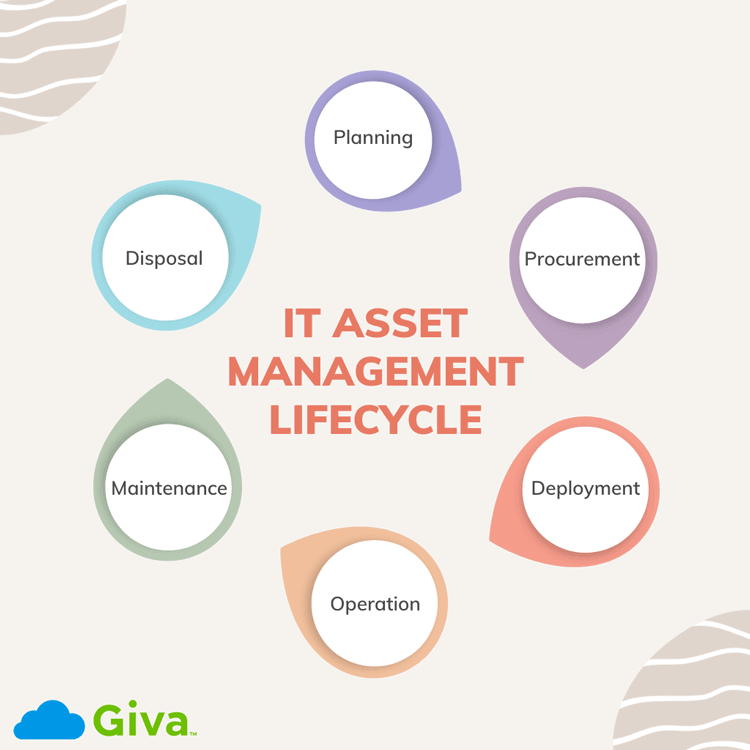
IT Asset Management Lifecycle: Tools, Processes and Best Practices

IT Asset Management Life Cycle

IT asset life cycle management is a mission-critical function for every business.

Whether those IT assets are cloud based from software vendors, hardware, or on-site systems, the planning, procurement, management, and maintenance of them is crucial to the operational success of an organization.

[Read More]

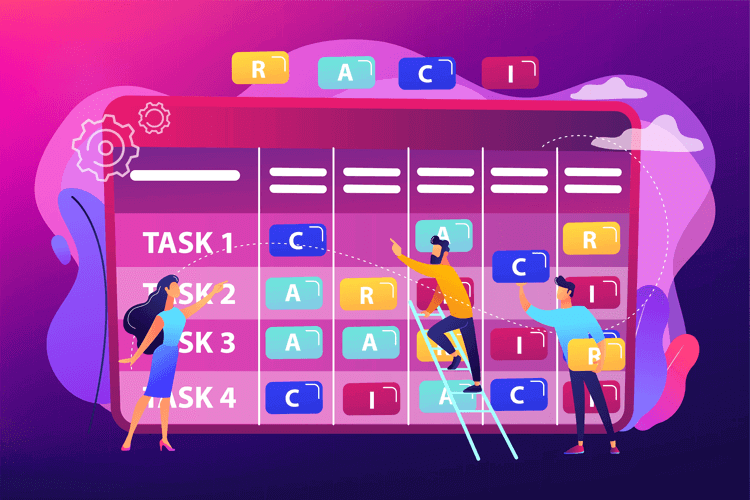
How Does the Responsibility Matrix (RACI) Work in ITIL?

Responsibility Matrix (RACI)

In ITIL and ITSM, it's mission-critical that everyone has a clear understanding of their roles, responsibilities, and how this aligns with business objectives and Key Performance Indicators (KPIs).

One way for IT leaders and CIOs to manage and monitor this is using a Responsibility Matrix, also known as a RACI Matrix. Another way to describe this is a Linear Responsibility Chart (LRC).

[Read More]

Service Level Agreements: What Are SLA Compliance Reports and How to Measure Success

Measuring Success with SLA Compliance Reports

In the software and IT sector, software companies and IT help desks and service centers manage customer relationships and expectations using Service Level Agreements (SLAs).

Service Level Agreements are integral to the smooth running of relationships between IT help desks and Software as a Service (SaaS) companies, cloud-providers, other technology vendors, and customers.

[Read More]

What Is a Maturity Model in ITIL & ITSM?

ITIL Maturity Model

Businesses and organizations constantly need to monitor performance and identify areas of improvement. Maturity models are a tool, often used in IT departments, customer-centric organizations, and software companies, to measure the success of management processes, styles, and IT systems.

In this article, we are focusing on the use of the following maturity models in companies' operations:

[Read More]

ITIL 4 Roles and Responsibilities: A Complete Guide

ITIL Roles & Responsibilities

ITIL roles and responsibilities define the accountability structure that makes IT Service Management work in practice. In ITIL 4, every role maps to a specific practice, such as Incident Management, Change Enablement, Problem Management, and more, making sure that someone owns each outcome, manages each process, and executes each task.

[Read More]

What is SLM? ITIL Service Level Management: Meaning, Purpose and Process

ITIL Service Level management (SLM)

The ITIL Guru sat at his desk, looking over the latest additions in the Continuous Improvement Register (CIR). As a CIR review board member, he liked what he saw -- more IT staff contributing improvement ideas, making him feel good about the progress. The phone rings.

"ITIL Guru. How may I assist you today?"

"Hi Guru, this is Betty. I want your help. The CIO asked me to come to her office tomorrow. She wants me to take over the role of practice owner for Service Level Management (SLM). Since the previous owner did not communicate very often to IT, I don't know what the practice does or accomplishes. Can you give me your expert opinion about the role of SLM?"

"Betty, I am always happy to help explain ITIL.

[Read More]

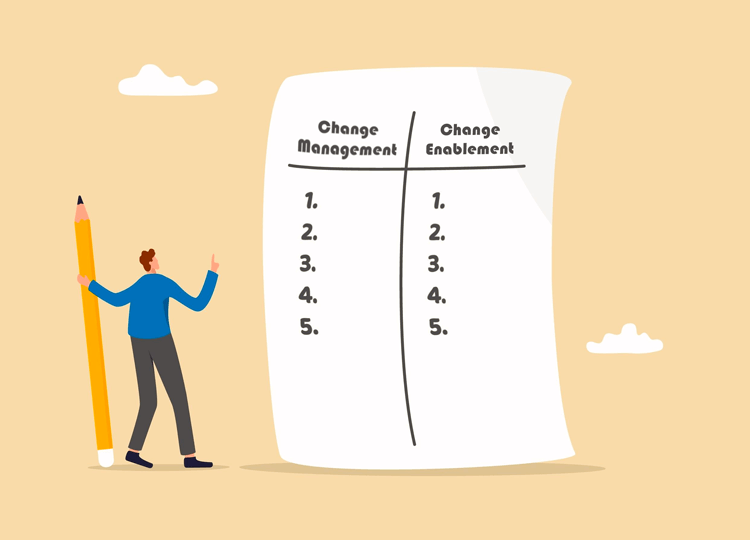
Change Management Roles and Responsibilities: A Complete Guide

Change Management Roles and Responsibilities

Change management is the structured process of guiding people, teams, and organizations from their current way of working to a new one. It focuses on the human side of change, such as reducing resistance, building adoption, and making sure improvements actually stick long after a project goes live. In IT, that process is formalized through defined roles and responsibilities. Knowing who owns what is the difference between a change that is effected cleanly versus one that creates chaos. Our expert in the following has a way of making that clarity concrete...

[Read More]

What Are the 7 Guiding Principles of ITIL 4 Plus How to Apply Each

7 Guiding Principles of ITIL

The IT Infrastructure Library, abbreviated as ITIL®, is a library of guidelines that were first introduced by the British government's Central Computer and Telecommunications Agency (CCTA) during the 1980s that outlines a complete list of best practices to be adopted for delivering IT services. The guiding principles listed in ITIL have undergone several revisions over time after they were first introduced and currently include five books, each dealing with different aspects of IT services, with one unit of the ITIL System focusing on the 7 guiding principles.

[Read More]


Newer Entires     1   ...   6   7   8   9   10     Older Entries