Giva's Incident Resolution Guide for IT Leaders and CIOs
Every incident resolution in IT Service Management (ITSM) and DevOps starts with a problem. A customer (also known as a user) has a problem, and they need the IT team's help to resolve it.
IT service delivery is often behind the scenes, but it's one of the most important parts of keeping a business running smoothly. It's how IT teams manage requests, resolve issues, roll out updates, and support the tools and systems everyone relies on day to day.
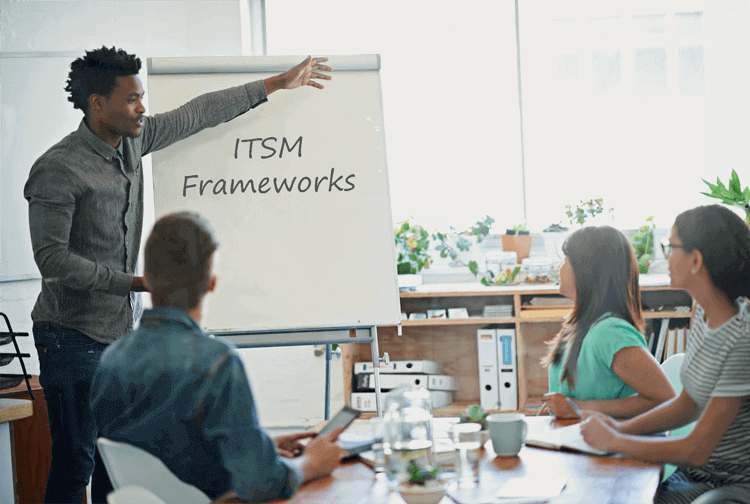
Following ITSM best practices is how IT teams align their operations with what a company or organization actually needs, from service delivery and incident response to change management and continual improvement. IT Service Management (ITSM) covers the needs of staff, customers, and business leaders, with the aim of ensuring that IT supports, empowers, and improves every aspect of an organization's operations.
Help desk automation is one of the most effective ways to improve the service customers get from an organization's help desk.
Today, businesses rely on structured IT Service Management to stay efficient and competitive. A well built framework helps organizations streamline operations, reduce downtime, and enhance service delivery.
An IT transformation strategy is a structured plan for modernizing an organization's IT infrastructure, processes, and teams, aligning technology with business goals, enabling automation, and building the foundation for long-term growth. As technology keeps evolving, CIOs and IT leaders need this plan to move from reactive IT support to a proactive leader of innovation. Unlike broader digital transformation (which touches every part of the business), IT transformation is specifically about upgrading the IT function itself to serve the organization better.
IT systems are the heart and soul of most modern businesses. Therefore, when the IT system is secure from a cybersecurity standpoint and is performing efficiently, the company as a whole can operate to the best of its ability.
IT Service Management (ITSM) is what separates organizations that manage IT strategically from those that simply react to it. The difference shows up across the business, in how quickly incidents get resolved, how smoothly changes land, how productive employees are when systems work as they should, and how effectively the organization absorbs new technology without disruption.
It's one thing if an individual IT person forgets to audit their own technology systems. For example, maintaining their computer or cellphone, updating software, managing storage, updating passwords, and scanning for computer viruses and malware. However, it's an entirely different thing and a much more costly thing if your company fails to perform routine IT audits.
Effective IT Service Management (ITSM) demands a structured approach to handling changes. That's where different types of changes in ITIL® come into play. By categorizing changes, organizations can manage everything from routine updates to urgent fixes with greater stability and efficiency.
Newer Entires 1 2 3 4 5 6 ... 13 Older Entries