Preventing Help Desk and Call Center Burnout: Ideas for Managers and Agents

Burnout, stress, and anxiety are at epidemic proportions, and it's a serious problem in IT, ITSM help desk, and call center functions across the US and worldwide.
Burnout, stress, and anxiety are at epidemic proportions, and it's a serious problem in IT, ITSM help desk, and call center functions across the US and worldwide.

IT Service Management (ITSM) help desks can implement and deliver services in one of three ways: reactive, proactive, or predictive.
In many respects, these three levels represent different stages of the ITSM maturity model. Measuring ITSM maturity is a way of assessing "how good your organization or system is at self-improvement." If you're still delivering reactive IT services, then that suggests a lower level of maturity, which results in higher staff turnover, higher costs, and lower key performance indicators (KPIs), customer satisfaction, and Service Level Agreement (SLA) scores.

In any IT-based service operation, such as IT Service Management (ITSM), especially when they operate on ITIL principles, a Business Relationship Manager (BRM) is the go-between with the rest of the organization.
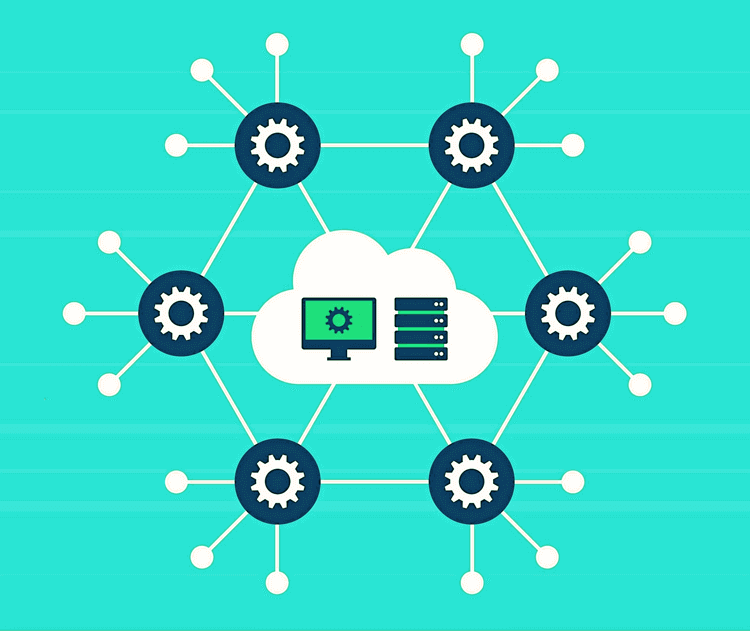
Edge computing, or edge cloud computing, is a new technology for communications and data processing connected to the cloud. More people are wondering what it is as it gains popularity. How does it work, and how does it compare to cloud computing? Everyone should know a few key traits of edge tech and its main applications today.

When it comes to delivering great customer service, customers want an immediate answer, and knowledge management best practices are what determine whether your team can provide one. A well-run knowledge management program makes knowledge bases the preferred self-serve channel, reducing the need for customers to call, email, or chat for routine questions.
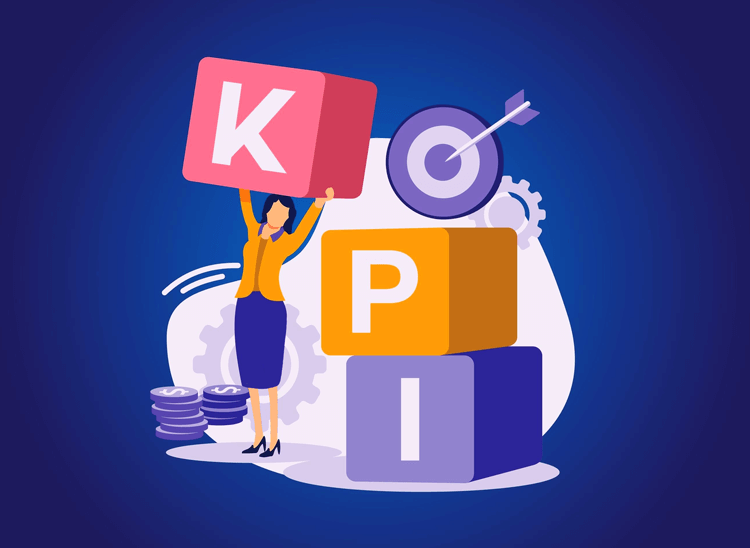
Change management KPIs are measurable indicators used to track how well an IT organization plans, executes, and sustains changes to software, systems, and processes. In ITIL® frameworks, where this practice is formally called Change Enablement, these KPIs fall into three categories: human adoption, process execution, and financial impact. Tracking all three is what separates reactive change teams from those that can consistently demonstrate the business value of their change programs.
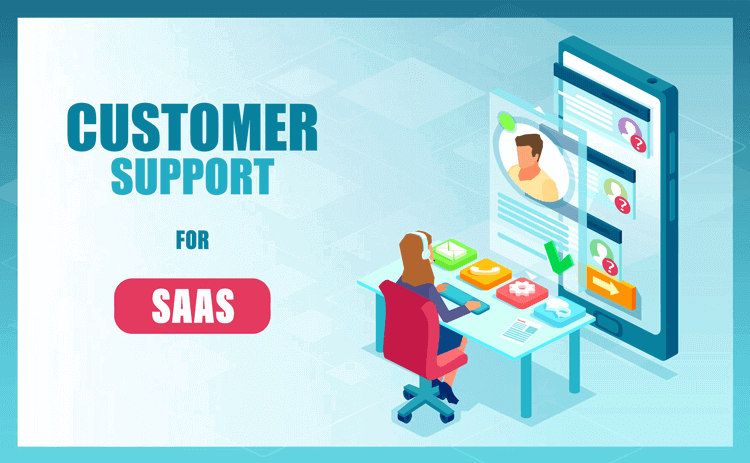
In today's hyper-connected and highly competitive business landscape, providing excellent customer support is more critical than ever. The rise of the Software-as-a-Service (SaaS) model has changed the way companies deliver their products and services. Customers now expect instant and responsive support through various channels.

One of the most important metrics and Key Performance Indicators (KPIs) in any help desk or customer service call centers worldwide is First Call Resolution (FCR).
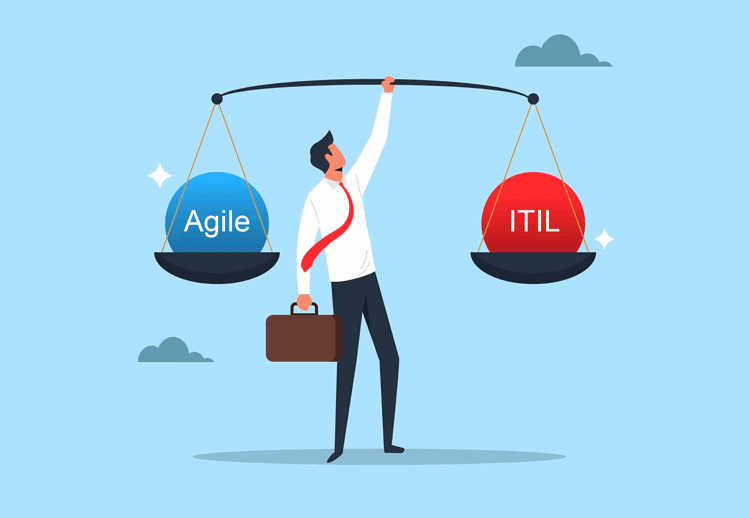
Developing and implementing technology solutions is a complicated process. Over the years, a wide range of best practice guidelines and frameworks have been created to make this easier and more cost and time-effective, such as Agile and ITIL®.

As the pace of innovation accelerates, companies must keep up with the latest trends to remain competitive. This, in turn, places a significant burden on the IT department to manage and maintain the technological infrastructure and to identify and implement new technologies. As a result, IT professionals are under mounting pressure to deliver high-quality services in a timely and cost-effective manner, all while ensuring the security and reliability of critical systems.
Newer Entires 1 ... 6 7 8 9 10 11 12 ... 14 Older Entries