Business Bytes: Unveiling Corporate Wisdom

Insights and smart tips to help you understand and succeed in the world of modern business

Automated Information Systems (AIS) - All You Need to Know

Automated Information Systems (AIS)

What is an Automated Information System (AIS)?

You may not know a lot about AIS, but it can help your business. Automated Information Systems (AIS) are computer-based collections of data and software that use the input of various resources to automate the management of operations and information, creating useful output that can help a company make strategic decisions. AIS is a compilation of hardware, software, or both to automate communication, documentation, reporting, processing, and storing information, and typically has a front-end interface where a user interacts with the system, a back-end database or a similar mechanism for storing items such as management reports, real-time transaction processing feeds from other systems, and middleware logic used to tie it all together.

[Read More]

What is EUC? Everything You Need to Know About End-User Computing Made Simple

End User Computing

With the rise of mobile commerce, companies need to constantly accommodate customer demands to ensure their business is keeping up with technological advancements. It is not enough to have a website to sell services and products. According to Allied Market Research, "The global mobile payment market size was valued at $1.48 trillion in 2019, and is projected to reach $12.06 trillion by 2027, growing at a CAGR of 30.1% from 2020 to 2027." In a study completed by Dynamic Yield, three out of four consumers answered that they prefer using their mobile to make purchases to save time. As a business, you must ensure you are able to reduce the barrier to purchase for your customers. Customer-facing applications have become a norm in EUC, which stands for "End-User Computing".

[Read More]

Information Technology (IT) Industry Analysis & Overview
Information Technology Industsry Analysis Overview

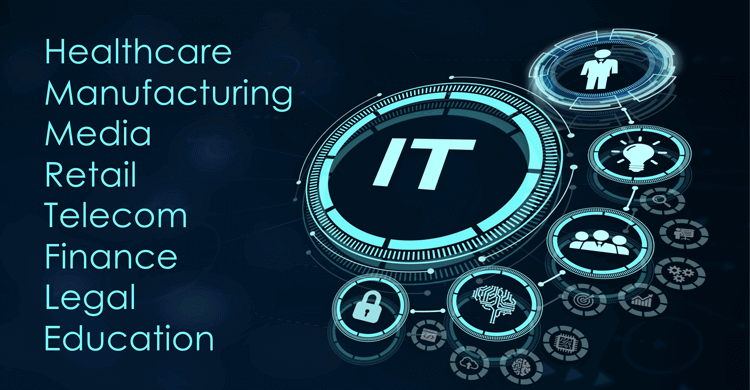
Today, you would be hard-pressed to find an industry that does not rely on technology, whether directly or indirectly. From healthcare to retail and everything in-between technology is used to gather, share, monitor, and create.

Though similar technologies appear across different industries, they often serve alternative purposes. Similarly, however, technology is designed to streamline day-to-day processes. Although, some may argue that it has complicated things further!

Are you interested about the role of IT across industries? Get ready for 'IT education' as we explore various components of tech uptake across the information technology sector.
[Read More]

SLI, SLO & SLA: What's the Difference?

SLI vs SLO vs SLA

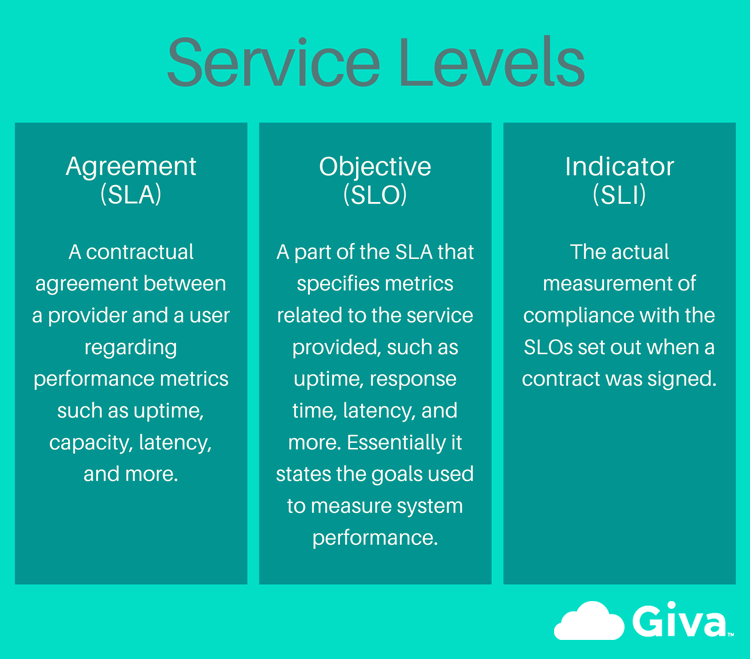
Site Reliability Engineering (SRE) is a software engineering approach for IT operations. It utilizes software as a tool for managing systems, automating tasks, and solving problems to ensure the availability of your applications mainly through the process of monitoring service-level metrics. These metrics are related to business objectives, made up of shared goals across your team, the capabilities of your product/service, and the customer experience.

[Read More]

What Are the Effects and Costs of Downtime to Healthcare Organizations?

What Are the Effects and Costs of Downtime to Healthcare Organizations

Any break in the standard flow of a business can result in severe financial losses. Where do these losses stem from? One of the most expensive business interruptions is IT or system downtime.

[Read More]

The 3 Most Effective Organizational Change Management Models in Healthcare Practices

Change Management Models for Healthcare

Change management models are a crucial part of any organization. Healthcare settings in particular are known to be resistant to change and have a lot on the line when it comes to implementation. In order to stay competitive, it is important to know how best to implement change management strategies that will keep your organization running smoothly and efficiently. There are many different models for change management frameworks, but which ones work the best for healthcare?

[Read More]

6 Ways to Provide More Cost-Effective Customer Service

3 Top Ways to Provide More Cost Effective Customer Service

Cost-effective customer service means delivering fast, high-quality support at the lowest sustainable cost per interaction. In practice, that means resolving issues the first time they're raised, giving customers ways to find answers on their own, and using the right tools so agents aren't spending paid hours on tasks that can be handled automatically.

[Read More]

How Does HIPAA Differ from PIPEDA?

How Does HIPAA Differ from PIPEDA

The Personal Information Protection and Electronic Document Act (PIPEDA) is Canada's federal law on patient privacy (Canada equivalent of HIPAA). It is comparable to the Health Insurance Portability and Accountability Act (HIPAA) in the United States, however, there are a few key differences to be aware of.

[Read More]

The MetroHealth System Launches New Giva HR Employee Interface

The MetroHealth System Launches New Giva HR Employee Interface

On Monday, August 19th, Giva customer, The MetroHealth System, launched a new internal Human Resources (HR) service using Giva's HIPAA compliant SaaS Customer Self-Service Portal. The MetroHealth System has for the past five years already been utilizing Giva's Service Management Suite™ in the cloud for their IT Service Desk and a number of other departments such as Facilities and Environmental Services. They are now pleased to be expanding their services by offering Giva's Customer Self-Service Portal to their employees in an effort to offer streamlined HR services.

[Read More]

3 Types of Service Level Agreements

3 Types of Service Level Agreements

A service level agreement (SLA) is a contract between a business and its customer outlining the details that the two parties have agreed to in a transaction. The types of SLAs that an organization can use depends on many significant aspects. While some are targeted at individual customer groups, others discuss issues relevant to entire companies. This is because the needs of one user differ from those of another. Below is a list of the types of SLAs used by businesses today, and how each one is utilized for specific situations:

[Read More]


Newer Entires     1   2   3   4   5     Older Entries