Customer Service Industry Trends: Staying Ahead in 2026 Plus Implementation How-To's
Today, customer service continues to change through steady improvements that make service easier, faster, and more consistent for both customers and support teams. Customers now expect quick answers, fewer handoffs, and service that feels connected across channels, while service teams are under pressure to handle more requests, solve more complex problems, and work with limited resources.
The most important customer service trends are not about adding more tools or running after the latest technology. They are about using the right tools in practical ways, supporting service teams, and building trust with customers through clear communication and reliable experiences.
Below is our refreshed article examining the latest and most meaningful customer service industry trends to focus on in 2026. Each trend reflects real changes in how service is delivered and includes practical ways businesses can improve their customer service operations.

Key Customer Service Trends for 2026
-
AI-Enhanced Customer Service
AI-enhanced customer service means using AI to help both customers and support agents do their jobs better. In 2026, this is less about chatbots and more about practical tools that improve accuracy, speed, and consistency.
AI is now commonly used to:
- Suggest answers to agents during live conversations
- Pull the right knowledge article automatically
- Summarize tickets and past interactions
- Route issues to the right team faster
- Handle simple requests end-to-end without human help
Instead of replacing people, AI works alongside them, taking care of repetitive tasks and giving agents better information at the right time.
Why is this important?
Customers now expect fast answers and fewer handoffs. At the same time, support teams are dealing with higher ticket volumes and more complex issues.
AI helps by:
- Reducing resolution times
- Improving first-contact resolution
- Lowering agent burnout
- Making service more consistent across teams and channels
How can this be applied in your business?
The goal is not full automation. The goal is to help your team solve problems faster and more consistently while keeping a human in control:
- Agent-assist tools: Use AI to suggest responses and relevant knowledge articles, and summarize long ticket histories so agents don't start from scratch.
- Smarter self-service: Improve knowledge bases and virtual assistants so customers get accurate answers, not just keyword matches.
- Intelligent ticket handling: Let AI help with ticket categorization, priority assignment, and routing based on content and urgency.
- Clear protections and oversight: Make sure AI suggestions are reviewable, explainable, and secure, especially when handling sensitive data.
-
Proactive and Predictive Customer Service
Proactive and predictive customer service means solving problems before customers have to ask for help. Instead of waiting for tickets to come in, support teams use data and patterns to spot issues early and reach out first.
This can include:
- Noticing repeated errors or usage drops
- Identifying customers who may be struggling with a feature
- Alerting users about known issues before they report them
- Offering help at the right moment inside a product or app
The goal is simple: reduce frustration by handling issues before small ones turn into bigger ones.
Why is this important?
Customers do not enjoy contacting support. Even when service is good, needing help often means something has already gone wrong.
Proactive service helps by:
- Preventing repeat contacts and escalations
- Improving customer confidence and trust
- Reducing overall support volume
- Showing customers that the company is paying attention
When customers feel looked after without having to ask, service feels smoother and more thoughtful.
How can this be applied in your business?
The most effective proactive customer service feels helpful, not intrusive. It focuses on timing, relevance, and clear value to the customer:
- Use service data to spot patterns: Look for common issues, repeat contacts, or early warning signs in tickets, usage data, and feedback.
- Reach out before problems grow: Send helpful messages, in-app tips, or status updates when you know an issue may affect customers.
- Guide customers at key moments: Use onboarding prompts, product tours, or check-ins when customers adopt new features or show signs of confusion.
- Connect proactive service across channels: Make sure messages and outreach are consistent whether they happen by email, in-app, chat, or phone.
-
Connected Omnichannel Customer Journeys
Connected omnichannel customer journeys focus on making sure every interaction feels like part of one continuous conversation, no matter where it happens.
For example, customers may start with any of the following:
- A self-service article
- A chatbot or messaging app
- An email or phone call
But what matters is that they do not have to repeat themselves. Their history, context, and past actions should carry over from one channel to the next.
This trend is less about adding new channels and more about connecting the ones you already use so they work together smoothly.
Why is this important?
Customers expect companies to remember them. When they have to explain the same issue multiple times, confidence lessens and frustration grows.
Connected journeys help by:
- Reducing repeated questions
- Speeding up resolution
- Making service feel more personal and organized
- Improving consistency across teams
When channels are connected, service feels easier for both customers and support agents.
How can this be applied in your business?
Strong omnichannel service is not about being everywhere. It is about making every step feel connected and flowing smoothly:
- Centralize customer information: Use a single system to store customer history, past tickets, preferences, and recent activity so agents always have context.
- Combine AI and human support: Make sure conversations that start with self-service or AI can move smoothly to a human agent without losing information.
- Standardize service quality across channels: Train teams to provide the same tone, clarity, and level of care whether support happens by chat, email, phone, or messaging.
- Measure the full journey, not just one channel: Track resolution time, satisfaction, and effort across the entire experience, not channel by channel.
Learn more in our article on the omnichannel contact center.
-
Strategic Personalization in Customer Experience
Strategic personalization means using customer data to make service more helpful and relevant, without crossing into territory that feels uncomfortable or invasive.
Basically, instead of trying to personalize everything, this approach focuses on using the right information at the right time. That might mean recognizing a customer's history, understanding their preferences, or adjusting support based on where they are in their journey.
Just as important, it means being clear about how data is used and using only the information that helps solve the customer's problem, not other things that feel unrelated.
Why is this important?
Customers appreciate personalization when it saves them time or reduces effort. They lose trust quickly when it feels unexpected or unclear.
Strategic personalization helps by:
- Making interactions feel more relevant
- Reducing repeated questions and steps
- Building trust through transparency
- Encouraging long-term loyalty
When customers feel understood and respected, service feels supportive instead of imposing.
How can this be applied in your business?
Good personalization should feel useful and natural. If it makes a customer pause and wonder how you know something, it probably needs adjustment:
- Use service-related data first: Focus on information that directly helps resolve issues, such as past tickets, product usage, and stated preferences.
- Be open about data use: Clearly explain what data is collected, how it is used, and how customers can control it.
- Personalize for clarity, not sales pressure: Use personalization to guide, assist, and simplify service interactions, not to push unnecessary offers during support moments.
- Review personalization regularly: Check what is working, what customers respond well to, and where personalization may feel excessive.
-
Customer Service as a Brand and Revenue Driver
In 2026, customer service is no longer just about fixing problems. It plays a direct role in how people see your brand and whether they continue doing business with you.
Every support interaction either builds and reduces trust, loyalty, and long-term value. When service personnel are consistent, helpful, and easy to work with, customers are more likely to stay, buy more, and recommend your company to others.
In this way, customer service becomes part of your brand experience, not just a support function.
Why is this important?
Customers often remember how a company treated them more than the product itself. One good or bad service interaction can influence whether they come back.
Strong customer service helps by:
- Increasing customer retention
- Reducing churn
- Improving word-of-mouth and reviews
- Supporting upsell and renewal conversations naturally
When service teams are aligned with brand values, customers get a clearer and more consistent experience.
How can this be applied in your business?
When customer service is treated as part of the business strategy, it stops being a cost center and starts creating measurable value:
- Align service with brand values: Make sure support teams understand how your brand should sound and feel in real conversations, not just in marketing materials.
- Allow agents to solve problems fully: Give agents the authority and tools they need to fix issues without unnecessary transfers or approvals.
- Use service insights beyond support: Share customer feedback and service trends with product, marketing, and leadership teams to guide decisions.
- Measure more than ticket volume: Track metrics like customer satisfaction, repeat contacts, retention, and referrals to understand the true impact of service.
-
Agent Experience (AX) and Workforce Enablement
Agent experience focuses on giving customer service teams the tools, support, and working conditions they need to do their jobs well. When agents have clear processes, good training, and easy access to information, they are better equipped to help customers.
This trend also recognizes that burnout and turnover directly affect service quality. Supporting agents is not just an internal issue. It has a direct impact on the customer experience.
Why is this important?
Customer service work can be demanding. High volumes, complex issues, and constant context switching take a toll on teams.
Improving agent experience helps by:
- Reducing burnout and turnover
- Improving response quality and consistency
- Shortening onboarding and ramp-up time
- Creating more positive customer interactions
When agents feel supported, customers can tell.
How can this be applied in your business?
Strong customer service starts with the people delivering it. Taking care of agents leads to better outcomes for everyone:
- Simplify tools and workflows: Reduce the number of systems agents have to jump between. Make knowledge, customer history, and actions easy to find in one place.
- Support agents with helpful AI: Use AI to suggest answers, summarize tickets, and handle routine tasks so agents can focus on solving real problems.
- Invest in training and coaching: Provide ongoing learning, clear guidance, and regular feedback instead of one-time onboarding.
- Offer flexibility and support: Allow flexible schedules where possible, encourage breaks, and promote reasonable workloads to prevent burnout.
-
Trust in AI Data Transparency and Privacy
Data transparency means being clear with customers about how their information is collected, used, and protected. But now, as AI becomes more common in customer service, customers also want to understand when AI is involved and what role it plays.
This trend is about openness and trust. Customers should not have to guess how their data is handled or whether an AI system is part of the interaction.
Why is this important?
Trust is easy to lose and hard to rebuild. When customers feel uncertain about data use or AI decisions, confidence drops quickly.
Clear data and AI practices help by:
- Building customer trust and loyalty
- Reducing concerns about privacy and security
- Supporting compliance with data protection regulations
- Making AI-assisted service feel safer and more predictable
Transparency reassures customers that service is working in their best interest.
How can this be applied in your business?
Being open about data and AI builds confidence. When customers trust how service works, they are more willing to engage:
- Explain data use in plain language: Write privacy policies and notices in a way customers can actually understand.
- Be clear when AI is involved: Let customers know when they are interacting with AI and when a human is available.
- Limit data use to what is necessary: Collect and use only the information needed to provide good service.
- Protect customer data consistently: Apply strong security practices across all service tools and channels, not just core systems.
-
Video and Visual Support for Complex Service
Video and visual support use images, screen sharing, and short videos to help customers solve problems that are hard to explain with text alone. This can include live video calls, recorded walkthroughs, screenshots, or step-by-step visual guides.
These work especially well for technical issues, setup questions, and situations where seeing the problem makes it easier to understand and fix.
Why is this important?
Some issues are difficult to describe in writing. Long email threads or chat messages can slow things down and lead to confusion.
Visual support helps by:
- Making instructions easier to follow
- Reducing back-and-forth communication
- Shortening resolution times
- Improving understanding for both customers and agents
When customers can see what to do, problems are often solved faster.
How can this be applied in your business?
Visual support works best when it is used thoughtfully and only when it adds real value:
- Offer video or screen-sharing when needed: Give agents the option to switch to video or screen sharing for complex issues, rather than forcing long explanations.
- Create short, focused video guides: Build a library of simple videos that show how to complete common tasks or fix frequent problems.
- Use visuals inside self-service content: Add screenshots, diagrams, and short clips to knowledge base articles to improve clarity.
- Keep it optional and convenient: Let customers choose visual support when it helps, without making it a requirement.
-
Continuous Customer Feedback With Real-Time Insights
Continuous customer feedback means collecting and using feedback as part of everyday service, not just through occasional surveys. It focuses on listening in real time and using that information to improve service, products, and processes as issues come up.
Feedback can come from many places, including support conversations, in-product prompts, reviews, and customer comments across channels.
Why is this important?
Waiting weeks or months to review feedback makes it harder to act on issues while they still matter. Real-time insight helps teams respond faster and make better decisions.
Continuous feedback helps by:
- Identifying problems earlier
- Improving service quality more quickly
- Showing customers that their input matters
- Supporting smarter product and service improvements
When feedback is used consistently, customers see real change instead of empty requests for opinions.
How can this be applied in your business?
Continuous feedback works best when it leads to action. Customers notice when their voices make a difference:
- Collect feedback at the right moments: Ask for input after meaningful interactions, such as ticket resolution or feature use, rather than sending blanket surveys.
- Listen across channels: Combine survey results with feedback from chats, emails, reviews, and social channels to get a clearer picture.
- Use tools to spot patterns: Analyze feedback regularly to identify common themes and recurring issues, not just individual comments.
- Follow up when customers add benefit: Let customers know when feedback leads to changes, even small ones. This builds trust and encourages future input.
The Bottom Line: Building Customer Service That Works by Keeping Up With Industry Trends
Strong customer service today is less about doing everything and more about doing the right things well. Customers want service that is easy to access, consistent across channels, and respectful of their time and information. Support teams need tools and processes that help them solve problems without unnecessary difficulties.
The trends in this article point to a clear direction. Customer service is becoming more connected, more proactive, and more supportive of the people delivering it. AI, data, and automation play an important role, but only when they are used in practical ways that improve real interactions.
Organizations that focus on clear communication, well-supported agents, and well-planned use of technology are better positioned to build trust and long-term relationships with their customers. By applying these trends with care and purpose, businesses can create customer service experiences that are reliable, effective, and easier for everyone involved.
Provide Top-Notch Support with Giva's Customer Service Software
Giva's AI-powered and HIPAA-compliant Customer Service Software directly addresses these trends by providing a robust, intuitive solution that enhances efficiency, ensures data privacy, and supports a seamless customer service experience.
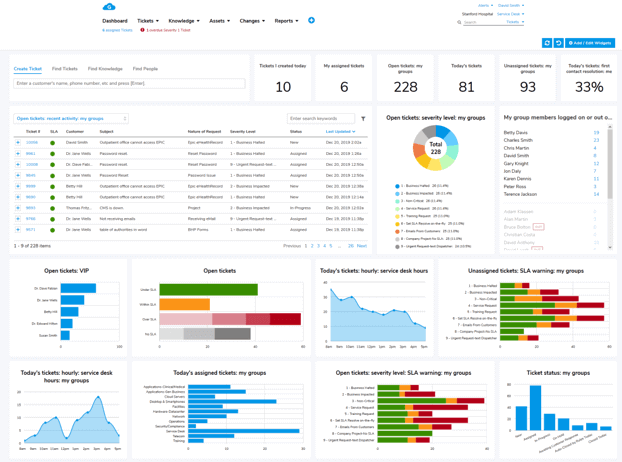
With features like advanced ticketing systems, AI Copilots, real-time analytics, and comprehensive customer support workflows, Giva empowers your team to deliver exceptional service. Moreover, Giva's commitment to security and compliance ensures your customer data is handled with the utmost care.
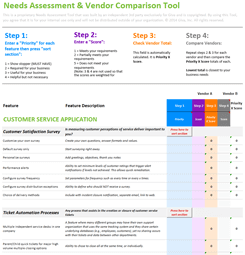
Discover how Giva can revolutionize your customer service by booking a free demo to see our solutions in action! You can also download our free assessment tool, or start your own free, 30-day trial today!



Categories: Customer Service