Customer Service Strategy: 15 Steps to Build an Effective Plan
In today's competitive business landscape, the way you handle customer service can set your company apart. The customer service strategy you implement can be the difference between a memorable and positive experience and one that is not.
In this guide, we will examine various customer service strategies, exploring how they can transform your business and set you apart in a crowded market. From leveraging cutting-edge technology to promoting a customer-centric culture, we'll uncover the strategies that keep customers happy and coming back.

What is Customer Service Strategy?
A customer service strategy is a business's deliberate plan for supporting customers, resolving their problems, and building lasting loyalty at every point they interact with the company. However, it should be noted that it goes beyond simply responding to questions. The strategy must be a holistic approach that considers every aspect of how a business interacts with its customers at every touchpoint. Whether they contact you by email, are navigating your website, or signing up for your loyalty program.
This strategy should encompass the policies, procedures, training, and tools your team uses to deliver exceptional service. It's about anticipating customer needs, expectations, and preferences. A well-crafted customer service strategy ensures consistent, high-quality interactions that develop loyalty, enhance customer satisfaction, and support the overall goals of your business.
Why Customer Service Strategy is Important
Understanding the significance of a customer service strategy is necessary for any business seeking long-term success. Here are just a few reasons why it's so important:
- Builds Customer Loyalty: A strong strategy creates positive experiences, leading to repeat business and a loyal customer base.
- Enhances Brand Reputation: Consistently good customer service builds a positive brand image. This attracts new customers through word-of-mouth and recommendations.
- Helps in Problem Resolution: A well-defined strategy provides a framework for effectively handling customer complaints and issues. Potential negatives can then be turned into positives.
Some of the most customer-obsessed brands treat these strategies as a competitive differentiator, not a cost center:
- Zappos famously places no time limit on customer service calls, trusting reps to spend as long as a customer needs. An internal record set in 2016 saw representative Steven Weinstein stay on a single call for over 10 hours (Source: Business Insider).
- Chewy has built a similar reputation for proactive gestures. After one customer's dog passed away, the company refunded an unopened bag of food, told her to donate it to a shelter, and sent flowers. The company has also mailed hand-painted portraits of deceased pets to other grieving customers (Source: Fortune).
These examples show what happens when a customer service strategy is genuinely built around emotional connection, not just efficiency.
In a nutshell, a well-thought-out customer service strategy is the cornerstone to a business that intends to grow and survive in a competitive market.
Watch Our Video On How to Elevate Your Customer Service Strategy with 15 Top Ideas
15 Key Points for an Exceptional Customer Service Strategy
-
Prioritize Personalization
Strategy: Personalize customer interactions beyond just using first names. Remember customer preferences and past interactions to tailor your service.
Example: A customer service agent recalling a customer's previous issue and asking for an update can make the customer feel valued.
Why is this important? According to EmailAnalytics, 80% of customers believe customer experience is as important as products or services.
-
Embrace Technology and Self-Service Options
Strategy: Treat AI as three connected capabilities rather than one tool:
- Automation for high-volume, low-complexity requests (password resets, order status)
- An AI assistant or "co-pilot" that drafts replies, summarizes long threads, and suggests next steps for human agents
- Intelligence that scans ticket trends and customer data to flag churn risk or recurring product issues
Whichever combination you deploy, keep a visible, fast path to a human agent for complex or emotional issues. Always give customers an "escape hatch."
Example: A retail brand might use a chatbot to handle order-status questions instantly (automation), while an AI co-pilot drafts a personalized response for a complaint that a human agent reviews and sends (assistance), and a monthly report flags which product is generating the most complaints so the product team can act (intelligence).
Why is this important? A Hubspot article, via Intercom, notes that 77% of business leaders plan to invest more in self-service support like FAQs and knowledge bases.
Read more: 7 Ways to Use AI in Customer Service - Advantages for Contact Centers and Help Desks
-
Feedback Solutions
Strategy: Implement systems to gather and act on customer feedback. This creates a continuous improvement cycle.
Example: Using customer surveys post-interaction to gather feedback and then making changes based on the responses.
Why is this important? It gives your customers a sense of importance - they feel like their input is being valued and heard.
-
Streamlining Processes
Strategy: Simplify purchase, return, and support processes. Use simple language to outline the policy on all of these matters.
Example: Implementing an easy-to-use online support and return process that allows customers to print their own pre-paid shipping labels and track their return/refund status.
Why is this important? These measures create peace of mind when making purchases. This could actually result in more purchases.
-
Employee Training and Development
Strategy: Invest in continuous training and development programs to equip staff with the skills needed for excellent customer service that keeps up with industry trends.
Example: Conducting regular workshops on communication skills and customer empathy for service agents. Situational training can be great from time to time.
Why is this Important? Regular training on different segments of customer service strategy can ensure your team stays sharp, in-line or ahead of the competition, and well-versed on new technologies. In particular, failing to keep up with new technology trends, such as additional customer support channel integrations, can be very detrimental to a business.
Read more: Script Examples of Angry Customer Situations and Response Best Practices
-
Front Line Empowerment
Strategy: Empower front-line employees with the authority and tools to make decisions and provide effective assistance.
Example: Allowing a customer service representative to offer instant compensations or solutions without needing managerial approval for small issues. Perhaps issuing a 10-20% discount for damaged/open-box items.
Why is this important? As mentioned in an article by Wavetec, "front-line empowerment boosts customer satisfaction and builds a culture of ownership and excellence among employees, creating a win-win situation for both customers and businesses alike."
-
Use Omnichannel Customer Service
Strategy: Offer customer service across multiple channels (email, social media, phone, website product pages, etc.)
Example: Integrating a customer support system that connects inquiries from different platforms into a single dashboard for efficient team management.
Why is this Important? According to the same Hubspot article above, 78% of customers have used multiple channels to start and complete a transaction.
-
Invest in Quality Assurance
Strategy: Much like quality control for goods, establish a customer service quality assurance framework to ensure consistent, high-quality interactions.
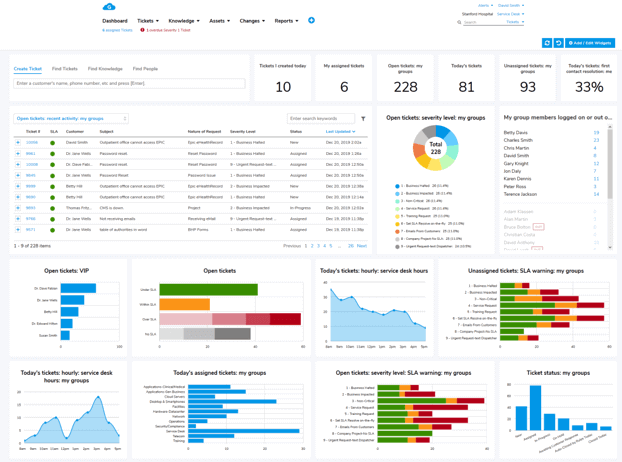
Example: Regularly reviewing recorded customer interactions and providing feedback to service agents. Investing in a strong customer service management/ticketing system can also be valuable in providing customers with a great, consistent experience.
Read more: Benefits of IT Support Ticketing Systems
-
Emphasize Quick and Efficient Problem Resolution
Strategy: Prioritize resolving customer issues quickly and efficiently, ensuring a positive experience even in challenging situations. Where possible, get ahead of the issue entirely. Proactively notify customers about known problems, like a shipping delay, a service outage, a delayed order, before they have to reach out and ask. A heads-up turns a potential complaint into a moment of good service.
Example: Implementing a policy where customer service reps are trained to identify and resolve common issues within a specific timeframe, with bonus pay or other incentives tied to an average timeframe. On the proactive customer service side, an e-commerce company might automatically email customers as soon as a shipping delay is detected, rather than waiting for them to ask where their order is.
Why is this important? Hubspot again notes that 33% of customers cite their biggest frustration as waiting on hold. Another 33% are easily frustrated by having to repeat themselves.
-
Foster Accessibility and Ease of Use
Strategy: Make your services easily accessible and user-friendly, ensuring customers can interact with your business without hassle.
Example: Designing a website with intuitive navigation and clearly labeled drop-down menus, enabling customers to find what they need quickly.
Why is this important? Customers will easily bounce from a page or site entirely when load speeds are slow or when information is hard to find. Usually an organization and their website have mere seconds to sell themselves to a consumer.
-
Focus on Customer Privacy and Data Security
Strategy: Prioritize customer privacy and data security to build trust and ensure a safe customer experience.
Example: Implementing strong data encryption and transparent privacy policies to protect customer information.
Why is this important? According to EmailAnalytics, 92% of people are more trusting of companies that grant them autonomy related to their data.
-
Utilize Social Media for Customer Engagement
Strategy: Actively use social media platforms to engage with customers, address their queries and build a community.
Example: A company conducting live Q&A sessions on social media, responding in real-time to customer inquiries and feedback.
Why is this important? According to Microsoft, through the Hubspot article above, 57% of consumers have a more favorable view of brands that offer customer support on social media.
-
Leverage Mobile Customer Service Options
Strategy: Provide mobile-friendly customer service options through apps or mobile-responsive web interfaces to cater to customers on the go.
Example: Banks offer mobile apps for customers on the go - allowing them to chat with service agents, check account status, and send money. This removes the need to commute to a physical location to do many everyday tasks.
Read more: Giva Mobile - Help Desk in the Cloud
-
Implement Customer Journey Mapping
Strategy: Create detailed customer journey maps to understand and enhance every stage of the customer experience.
Example: A retail company maps the customer journey from initial online browsing to post-purchase support, identifying key touchpoints along the way. This mapping helps in understanding where customers are in their journey, allowing for targeted messaging, enhancing engagement. These apply to B2B businesses as well.
Read more: B2B Customer Journey vs Experience Journey Mapping
-
Enhance Service with Augmented Reality (AR) Technology
Strategy: Incorporate Augmented Reality (AR) technology into customer service to provide immersive, interactive experiences.
Example: A furniture company uses AR to help customers visualize how products would look in their homes. Customers can point their mobile devices at their space, and the AR app overlays the furniture into the room, assisting in decision-making and reducing post-purchase issues.
Read more: Top 20 Tools of Communication: Business Success Today, Trends of Tomorrow
How to Build Your Customer Service Strategy in 5 Steps
Turning these principles into a real strategy takes a deliberate process, not just good intentions. Here's a practical framework for building and continuously improving your plan:
- Understand your audience: Study customer data, support tickets, and feedback to learn what your buyers actually expect at each touchpoint, not just what you assume they want.
- Set clear, measurable goals: Tie your customer service targets to broader business goals, such as reducing churn or increasing repeat purchases, so leadership sees the connection.
- Choose your channels and tools deliberately: Decide which channels (phone, email, chat, social) you'll actively support and staff, rather than spreading your team too thin across every possible option.
- Establish baseline metrics: Track key KPIs like Customer Satisfaction (CSAT) and First Contact Resolution (FCR) before you make changes, so you can prove what's working. See our article on customer service metrics for a full breakdown of the numbers worth tracking.
- Review and iterate: Revisit your strategy on a regular cadence (quarterly is common) using the metrics from Step 4 to decide what to double down on and what to change.
Note that none of these steps require an enterprise budget. A small business can run Step 1 with a simple customer feedback form, track Step 4's KPIs in a spreadsheet, and support two or three channels well rather than five channels poorly. The framework scales down as easily as it scales up.
The Bottom Line: Transforming Your Business Through Exceptional Customer Service Strategies
As we've explored throughout this guide, the customer service strategy you implement is key to setting your company apart in today's competitive business landscape. We've seen a variety of customer service strategies examples that demonstrate how innovative, thoughtful approaches can significantly enhance the customer experience. From leveraging technology like chatbots and AR to prioritizing personalization and employee empowerment, each strategy plays a crucial role in shaping a successful customer care journey.
Remember, by implementing these customer care strategies, you're not just solving problems--you are building loyalty, enhancing brand reputation, and driving sustainable growth.
Implementing Your Customer Service Strategy
Giva can help you get on your way to more effective customer service with its cloud offering.
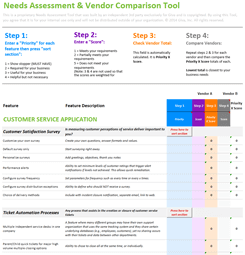
See if it is right for you and your business using the free assessment tool and even giving it a try, completely free, for 30 days.


Categories: Customer Service