Omnichannel Contact Center: What It Is, Features and Best-Practice How-To's
The days of telephone and email-only support are long gone. As technology evolves, businesses are expected to meet customers wherever they are. This is especially true in customer service. Whether someone is on their phone or online, they want answers at a moment's notice. They also expect to pick up a conversation started on one channel and finish it on another. Customers want consistent support on every channel, but many teams can't deliver it because their systems don't work together.
An omnichannel contact center solves this by bringing all conversations and customer data into one place. This guide explains the benefits, the features that matter, how to choose contact center software, and the difference between omnichannel and multichannel support.

What Is an Omnichannel Contact Center?
An omnichannel contact center connects all communication channels such as phone, chat, email, SMS, and social so they work together as one system. Operating on its own, all communication flows into a single, unified workspace. This gives customers and agents a smoother, more connected customer experience across channels.
Here are a few key notes about what this looks like:
- Agents can see a customer's entire history no matter where a conversation began.
- Customers can switch between channels without repeating themselves.
- The system keeps context, notes, and data in one place to maintain continuity.
Why Omnichannel Support Is Important for Contact Centers
Traditional contact centers rely on separate tools for each channel. With omnichannel, those silos disappear because everything works together. For businesses, this leads to faster, more consistent service and less manual work for agents. It also provides a complete view of each customer's needs and past interactions.
The demand for this kind of integration has grown significantly. Research from McKinsey finds more than half of modern consumers use three to five channels when interacting with a brand, and the average person attempting to complete an accommodation transaction (e.g. hotel booking) switches between channels nearly six times before finishing. Disconnected systems mean agents start every handoff without previous context, leaving customers frustrated with slows resolution times.
How an Omnichannel Contact Center Works Step by Step
Here's how the system works step by step:
- A customer reaches out on any channel: The platform recognizes the customer and pulls their past interactions into view.
- Customer data and notes appear instantly: Agents can see previous conversations, purchases, and open issues without searching through multiple tools.
- Routing sends the inquiry to the right agent: Skills, availability, and customer needs help determine who should handle the request.
- The agent works inside one unified workspace: They can reply, switch channels, review past tickets, and collaborate with teammates without leaving the dashboard.
- The conversation continues across channels when needed: If the customer moves from chat to phone or from email to SMS, the context follows them automatically.
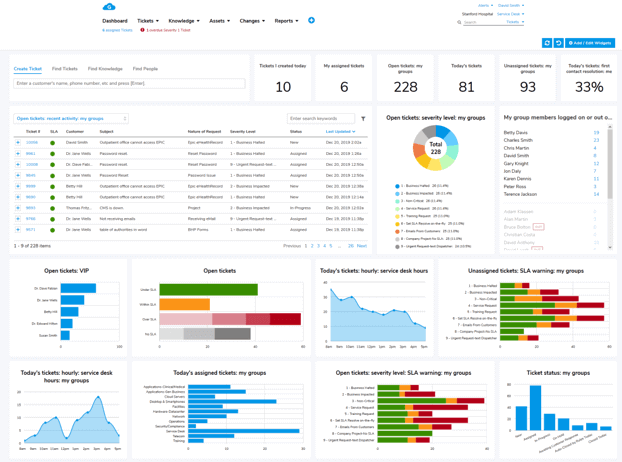
- All data updates in one place: Leaders and teams can see real-time activity across every channel without stitching together reports.
Example of an Omnichannel Customer Journey
Here's a simple example from the customer's perspective of how an omnichannel customer journey works from start to finish:
- A customer starts a live chat on your website asking about a product return.
- They step away from their computer, and the system sends an SMS message with a link to pick up the conversation.
- Later, they call support, and the agent can see the full chat and SMS history without asking the customer to repeat anything.
- After the call, the customer receives a confirmation email summarizing the steps for their return.
Even though multiple channels were used, the customer never had to start over. Every step stayed connected, and the agent had full context the entire time. This is the key to what makes an omnichannel experience feel smooth and effortless.
Benefits of an Omnichannel Contact Center
By now, you already know that omnichannel contact centers benefit both customers and businesses. They reduce manual work and speed up resolutions for a more efficient operation. While that sounds great on its own, here are some more specific advantages:
-
Better Customer Experience
This is the most obvious benefit of an omnichannel contact center. Customers enjoy a smoother experience because every channel connects to the same system. No matter where they start, phone, chat, email, or SMS, agents have full context. Not having to repeat details or start over is also a huge benefit for agents who would otherwise need to search through multiple systems. For customers, it reduces frustration. Conversations feel continuous, not fragmented.
-
Faster Resolutions
Because data is centralized, past purchases, feedback, issues, and notes are all stored in one place. This means agents can understand the issue immediately. Intelligent routing can also send customers to the right agent the first time. Altogether, issues move forward without unnecessary backtracking.
-
Increased Agent Productivity
Agent burnout is a real issue in contact centers. Long hours, complex cases, and frustrated customers all contribute to a mentally draining day. Businesses need to look for ways to make the job easier. Better staffing is one solution, but having strong tools is another. Seeing all channels in one dashboard, instead of switching between systems, cuts down on confusion and stress. Collaboration is smoother when everyone is working from the same data.
-
Stronger Data and Reporting
Data is the cornerstone of any business. It provides insight and informs important decisions. Many medium and large-sized organizations have teams dedicated to analyzing data, and it isn't always easy. Opening different platforms, exporting information, and comparing reports can be tedious. With an omnichannel contact center system, all interactions flow into one database. This makes information easier to access and far more accurate. Some platforms even surface insights automatically, helping teams understand trends, bottlenecks, and areas for improvement. Leaders gain a full view of activity across all channels without piecing together siloed reports.
-
Higher Customer Loyalty and Retention
Customer loyalty is an ongoing mission. It can be lost as easily as it is earned. People stay with brands that make support easy and reliable. Consistent service across channels builds and maintains trust by reducing friction. Positive experiences influence repeat business. Because omnichannel support feels modern and responsive, customers notice the difference.
Organizations that focus on customer experience see 51% better retention than those that don't. Customers compare every interaction to their best past experiences, and omnichannel support helps you reach that standard.
-
Easier Scalability
Holidays, seasonal demand, major sales, and product launches all create fluctuations in support volume. With an omnichannel system, there's no need to create new workflows or buy separate tools to keep up. You can scale up or down as needed. During the holiday season, for example, customer questions often surge. People ask about product availability, return policies, and shipping delays. This overwhelms your phone, email, and chat channels. Adding SMS or WhatsApp support (along with extra staffing) can help customers reach you faster. The key is choosing a cloud-based omnichannel contact center solution flexible enough to expand or contract based on your business needs.
-
Clear Competitive Advantage
While technology evolves, many multichannel and omnichannel contact centers still rely on disconnected systems. Offering a seamless experience sets your brand apart.
The business case is well-documented. According to McKinsey, companies that implement omnichannel transformations report revenue growth of 5-15% and improvements in cost-to-serve efficiencies of 3-7%. These reflect both the customer-facing and internal operational enhancements that come from unifying disconnected systems.
Key Features to Look For in an Omnichannel Solution
Omnichannel is not unique. Not all omnichannel tools offer the same capabilities. The right features bring smooth operations, better service, and long-term scalability. These are the core features to look for in the top omnichannel contact center software:
-
Unified Agent Workspace
When evaluating omnichannel tools, one of the first features to look for is a unified dashboard. You want a single view that shows all channels; voice, chat, SMS, email, and social. As noted earlier, this reduces the need to switch between tools. It helps agents stay focused, and allows them to respond faster because everything is in one place. This is one of the biggest benefits for agents when adopting an omnichannel solution.
-
Intelligent Routing and Queuing
Besides long wait times, few things frustrate customers more than being passed from agent to agent before getting help. Omnichannel customer service tools can match customers with the best-suited agent. Routing can be based on skills, history, priority, or customer profile.
For example, an Automatic Call Distributor (ACD) handles intelligent routing across all channels and not just voice, directing each contact to the right queue or the right agent in real time. Then, used with workforce management tools that forecast volume by channel and schedule agents accordingly, intelligent routing improves first-contact resolution rates and reduces unnecessary transfers.
-
Real-Time and Historical Analytics
Yes, the subject of data appears again, and for good reason. A tool that tracks performance across all channels in one dashboard is essential. Metrics such as CSAT, AHT, FCR, SLA, queue times, and more should all be easy to access. This helps leaders identify trends, gaps, and workload patterns. The bottom line: better reporting leads to smarter decisions and a better customer experience.
-
Automation and AI Tools
AI is the trendiest tech buzzword for a reason. Businesses that aren't using AI to improve operations and elevate the customer experience risk falling behind.
Tools like chatbots, virtual agents, and automated workflows can improve omnichannel customer service. They're useful for handling FAQs or repetitive tasks, reducing agent workload during peak times or hours when teams may be unstaffed. For customers, receiving 24/7 support isn't a bonus, it's expected.
AI also works alongside live agents through agent assist tools by giving offering next best actions, suggested replies, and relevant knowledge articles in real time so agents can resolve issues faster without switching applications.
-
Omnichannel Customer Journeys
Understanding how customers move through your channels helps you spot pain points and drop-offs. For example, what does the common customer journey look like from the point of initial contact, to the point of purchase or cart abandonment. Your platform should allow you to view and track complete customer journeys from start to finish.
-
Security, Compliance and Reliability
All of these features mean little without strong security and reliability. When your operations run through one system, uptime becomes even more important. Look for encryption, role-based access, audit logs, and clear uptime SLAs. This is especially critical for industries like healthcare, government, and financial services. Strong security protects your data and maintains customer trust. Cloud-based platforms should also provide redundancy and high uptime guarantees.
-
Honorable Mentions
To avoid repeating earlier points, here are a few additional features worth noting:
- CRM and help desk integrations: Make sure your systems can connect and share data smoothly.
- Scalability: Look for the ability to add or remove channels as business needs change.
- User-friendly design and admin tools: Easy setup and maintenance reduce onboarding time and allow admins to update queues, workflows, and channels without IT support.
Read more: How to lower customer effort and improve support outcomes in our guide on Customer Effort Score (CES).
How to Choose the Best Omnichannel Contact Center Software
-
Start With Your Support Goals
Choosing the right omnichannel contact center software starts with knowing what you want to achieve. Do you want faster response times? Less agent workload? More channels? Better data? Your goals will determine which features matter most. It's common for businesses to purchase software based on trends. Don't get caught up in the hype; choose software that meets real needs.
-
Map Out Your Current Support Challenges
No system is perfect, and in the customer service game, things change fast. What worked well today might not tomorrow. Identify gaps in your operation. This could be bottlenecks in support tiers, pain points like long wait times, too many integrated systems that don't actually integrate, or poor and inconsistent data reporting. The right software should solve these issues without adding new ones. By mapping out your current support challenges, you also reduce the risk of overspending on unnecessary features.
-
Evaluate Ease of Use
A platform can have every feature, but if it's hard to use, adoption will be low. Look for simple navigation, clear dashboards, and intuitive workflows. Ask vendors about average agent onboarding time. A modern omnichannel system should reduce training time, not increase it. This is especially true when teams rely on agent productivity tools every day.
-
Consider Integrations and Compatibility
Your software must connect smoothly with your existing tools (CRM, help desk, ticketing, marketing tools, etc.). Poor integrations create new silos; the opposite of omnichannel. Look for tools that sync customer records, past issues, and customer profiles across all channels.
-
Check Scalability and Flexibility
A common theme in this post is scalability and flexibility. Change is constant in this field. Will your software adapt, or will you need to switch providers on the fly? Ask yourself these questions to keep quick reflexes in a dynamic environment:
- Can you add or remove channels (chat, SMS, social, WhatsApp, voice)?
- Does the platform support hybrid/remote teams?
- Is pricing flexible as your team grows or shrinks?
-
Evaluate Automation and AI Capabilities
Automation isn't an option, it's a necessity. Look for smart routing, chatbots, auto-responses, agent assist features, and workflow automation that reduces repetitive work. Good AI tools help improve speed and availability for customers. Ask vendors how customizable their automation is, since this can vary widely.
-
Demand Clear Reporting and Analytics
Reporting is often overlooked, yet it's one of the most powerful parts of a strong system. Medium and large organizations might have analysts reviewing performance and volume. However, that's not always the case. Look for customizable dashboards, real-time metrics, and multi-channel visibility. At minimum, you should be able to track ticket volume, CSAT trends, queue times, resolution rates, and agent performance in one place. Avoid tools that bury data or require manual exports.
-
Assess Reliability, Uptime, and Security
When your business is offline, every second counts. Look for published uptime guarantees (99.9% or higher). Security features like encryption, access controls, compliance certifications, and audit logs add layers of protection, especially during service disruptions. Reliability is as important as the shiny features.
-
Compare Pricing and Hidden Costs
Omnichannel software can add value in ways money doesn't always capture. But you still need to keep an eye on costs. Look at total pricing, not only subscription fees. Ask about onboarding charges, integration fees, per-channel costs, per-agent pricing, and support fees. Some platforms lock key features behind higher tiers, so you should be clear about what you're paying for.
-
Test With a Trial or Pilot Program
Trials are almost a given in this market. If a provider won't let you test their solution, that's a red flag. Use real agents, real workflows, and real customers if possible. See how the system performs during actual workloads, not staged demos. Trials expose deal-breakers before you make a major commitment.
-
Evaluate Vendor Support and Customer Success
You work in customer service, so you know what great support looks like. You should expect the same from your vendors. Even the best software is only as good as the support behind it. Look for 24/7 assistance, fast response times, and dedicated success managers. Read reviews and pay close attention to onboarding experiences.
Omnichannel vs. Multichannel Contact Center
Sometimes an omnichannel vs. multichannel contact center can be confused with each other, but they are not the same. Understanding the difference helps you choose the right solution for your business.
What Is a Multichannel Contact Center?
A multichannel system offers several communication channels (phone, email, chat, SMS, social). The key is that each channel works independently. Data and context are not shared; they live in separate silos. This often leads to a fragmented customer experience and lower customer satisfaction levels.
It's not all negative. There are still use cases where multichannel contact centers make sense:
- Smaller teams
- Businesses with low support volume
- Simple inquiries or limited channel needs
What Is an Omnichannel Contact Center?
We'll keep this short since we've covered this earlier. An omnichannel solution connects all channels into one unified system. Context, history, and customer data follow the customer from one channel to the next.
Ideal for:
- Medium to large teams
- Businesses with complex or high-volume support
- Organizations focused on improving the overall customer experience
- Brands that use multiple channels actively
Why Businesses Confuse Them
Both offer multiple channels, but only omnichannel connects them. Vendors sometimes market "multichannel" tools as more than they are. Without understanding how the backend works, it's easy to mistake one for the other.
Summary of Omnichannel vs. Multichannel in a Contact Center
Feature |
Omnichannel |
Multichannel |
Channels offered |
Yes, multiple |
Yes, multiple |
Channels connected |
Yes |
No |
Shared customer history |
Yes |
No |
Experience across channels |
Continuous and connected |
Separate and inconsistent |
Agent workspace |
One workspace for all channels |
Different tools for different channels |
Data source |
Unified |
Siloed |
10 Strategies and Best Practices for Omnichannel Contact Center Success
-
Build Clear Cross-Channel Workflows
Map out how customers move from one channel to another (chat → phone → email, etc.). Define what triggers a channel switch and make sure agents know the protocol. Make sure no channel becomes a "dead end"; customers should always have a next step. Think of this as a continuous loop, where the only true "end" occurs once a solution is reached.
-
Maintain Channel-Specific Staffing Plans
Each channel has different volume patterns (chat = high bursts, email = steady, phone = peaks). Schedule and staff based on historical data, not guesswork. So, during events like Black Friday (and the week before and after), ensure you have more staff ready to help with questions, sales, and post-purchase support. You can also use queue forecasting tools to avoid long wait times.
-
Standardize Response Times Across Channels
Establish clear internal SLAs for each channel. For example: chat replies in <30 seconds, email <4 hours, and social <1 hour. Make sure agents know these standards and have tools that help them meet them. Consistency builds trust and prevents any one channel from becoming overloaded.
-
Use Proactive Customer Engagement
Identify moments where proactive outreach prevents customer frustration. For example, shipment delays, system outages, or appointment reminders. Omnichannel platforms allow you to send updates across channels. Proactive communication can reduce inbound volume by keeping customers informed before issues escalate.
-
Train Agents on Context Switching
Even with unified data, agents still need to manage conversations that span channels. Provide coaching on reading context, summarizing past interactions, and adapting tone. Build short "channel-switch scripts" to keep transitions smooth for customers. Role-play multi-channel scenarios to strengthen skills and confidence.
-
Leverage Analytics to Identify Drop-Off Points
Review analytics weekly to see where customers abandon conversations. Look at chat exit rates, email bounce-backs, long queue times, and repeat contact patterns. Use these insights to refine workflows, staffing, and escalation paths.
-
Keep Knowledge Bases Updated Across All Channels
Knowledge bases power agents, bots, and self-service tools. Outdated or incorrect information creates inconsistent answers across channels. Assign someone to own content accuracy and schedule regular reviews and updates.
-
Monitor Customer Satisfaction Levels by Channel
Don't measure CSAT as a whole, rather break it down by channel. Identify which channels underperform and why. For example, you may find that customers leave chat sessions after 30 seconds because the auto-prompts are not helpful. Platform data can show this, but you can also gather insights through short surveys or quick follow-up messages by phone or text. Tracking customer satisfaction levels by channel helps you improve the weakest areas first.
-
Plan for Service Disruptions
Always be prepared. Have backup processes for outages or sudden spikes in volume. Train agents on fallback procedures if a channel goes down. Pre-draft messages for known issues or downtime. Redundancy prevents chaos and protects customer trust.
-
Use Automation Thoughtfully
Don't automate everything. Human interaction is still important. Good places for automation include: FAQs, simple billing questions, appointment reminders, and status updates. Avoid automating sensitive or emotional cases. Review automation accuracy often for incorrect information or confusing bot loops.
Bringing It All Together: Your Path to a Modern Omnichannel Contact Center
Building an effective omnichannel contact center doesn't happen overnight. With the right tools and clear workflows, you can create a support experience that feels easy for customers and your team. Start small, build smart, and keep improving as your channels and customer needs evolve. The result is a modern, connected support operation that meets people where they are, and keeps them coming back. Remember, you don't need every channel on day one. Focus on building a system that grows with you.
If you want to go deeper into tracking and improving CX, check out our guide on Customer Satisfaction Metrics.

Categories: Customer Service