Contact Center Transformation Fully Examined: How to Build the Future of Customer Engagement
 By Ron Avignone
The customer experience environment is changing. Customers now expect faster, more personal service across every digital channel. Regrettably, many companies still use outdated systems that slow their contact centers down.
The strategic response is contact center transformation. It isn't a tech upgrade, it's a complete evolution in customer engagement. In customer service, this transformation relies on AI, automation, and cloud systems. These tools help teams respond faster and with more concrete answers.
This guide is tailored for executives, operations leaders, and IT decision-makers. Inside, you'll find clear insights to help you lead successful transformation initiatives.

What Is Contact Center Transformation?
Contact center transformation is the strategic shift from a traditional, voice-centric call center to an AI-powered, omnichannel platform that manages every customer interaction, such as phone, chat, email, SMS, and social media, from one connected system. It goes beyond a software upgrade, fundamentally changing in how teams, tools, and customers interact, with measurable goals including higher satisfaction scores, lower operational costs, and stronger first-contact resolution rates.
In simple terms, transformation brings everything into one connected system. It uses AI, automation, and cloud tools to make service faster, easier, and more personal. Instead of handling each call or message separately, a modern contact center connects every interaction into one smooth, consistent experience.
An example might be, if a customer starts a chat on your website, follows up later by email, and then calls to finish the conversation, the agent already sees the full history. The customer doesn't need to repeat details, as every channel works together in one seamless workflow.
Note that you'll also see this called "contact center digital transformation", a slightly broader term that emphasizes the technology-led nature of the shift. In practice, the two terms are interchangeable. Both describe the same action: replacing legacy, on-premise, voice-centric infrastructure with cloud-based, AI-driven, omnichannel systems. If your organization uses "digital transformation" language in its strategic planning, contact center transformation is a specific, high-visibility component of that broader initiative, and often one of the first places digital investment produces measurable customer experience results.
Why Contact Center Transformation Can No Longer Wait
The window for incremental improvement has closed. The post-pandemic era and the surge in AI have reshaped customer expectations and digital behavior. If customers were demanding before, they're even more so now. They expect helpful, proactive service every time they reach out. Customer interactions must be quick, personalized, and based on real context
The financial scale of this shift reinforces the urgency. According to Grand View Research, the global contact center transformation market was valued at $22.08 billion in 2024 and is projected to grow at 19.3% annually through 2030. That pace of investment signals that organizations that hold back on transformation aren't just missing a technology window but are also losing ground to competitors who are already moving. And as platforms mature and costs drop, the window to gain a first-mover advantage narrows every year.
And further, the pressure is already being felt at the top. According to PwC's 2025 Customer Experience Survey, 70% of executives say customer expectations are outpacing their organization's ability to adapt.
Here some tangible reasons why delaying will be detrimental:
-
The High Cost of Standing Still
This reality affects businesses of every size. Transformation can be a major undertaking, but the cost of standing still is far greater. When customers wait too long, have to follow up, or feel their issues aren't taken seriously, they move on. They leave negative reviews, spread bad word of mouth, and lower your satisfaction scores. In the end, they stop doing business with you.
-
Outdated Systems Hold Businesses Back
The damage doesn't stop there. Inside the organization, outdated systems and manual work drive up costs and slow progress. Meanwhile, competitors that embrace automation and AI gain a real competitive edge.
-
The Contact Center Is Already Transforming
Inside the contact center, the shift is already happening. Hybrid work and omnichannel service have changed how teams operate day to day. Leaders now manage teams across time zones and channels to keep performance up and the experience consistent. AI and automation aren't optional anymore, they're must-haves for speed, accuracy, and scale.
-
Transformation Is a Continuous Journey
The best organizations know transformation never ends. They modernize processes, use data to make smarter decisions, and move faster than competitors still stuck in old systems. Traditional models just can't keep up.
Signs Your Contact Center Needs Transformation
Not every organization recognizes when day-to-day operational fixes have stopped working. These are the clearest signals that a more comprehensive transformation is needed:
- Customer service KPIs are declining or have plateaued
- Agents must navigate multiple disconnected systems to complete a single interaction
- Your infrastructure does not support modern digital channels like chat, SMS, or social media
- Competitors offering similar products are winning customers based on superior service experiences
- Reporting requires manual data consolidation across systems, slowing decisions
- Remote and hybrid work arrangements strain your current infrastructure or create inconsistent agent experiences
- Customers frequently report long wait times, having to repeat information, or unresolved issues on first contact
The longer transformation to resolve these is deferred, the wider the gap grows between current operations and rising customer expectations.
From Call Centers to Contact Centers: Understanding the Evolution
Excluding AI capabilities, call centers have evolved over the years. Traditional call centers were focused on phone service. The goal was to move from one customer to the next as quickly as possible. Volume and First Contact Resolution (FCR) were always the main goals. Agents worked from one centralized location with a phone and a desktop computer.
How times have changed!
In today's digital, omnichannel world, that model no longer works. Phone and even email service are now parts of a much larger operation:
- Traditional call centers react to problems.
- Modern contact centers anticipate them and focus on a connected, customer-first experience.
-
The Shift from Call Center to Contact Center
So, what drove the shift from call center to contact center? The change began with digital transformation initiatives. These efforts opened new channels and introduced automation. But the biggest driver is customer demand. Today's customers expect support anytime, on any platform.
-
From Transactions to Total Experiences
Modern contact centers operate as connected, data-driven systems rather than isolated service departments. They've moved beyond answering calls to managing complete customer experiences.
Compared to traditional setups, here's what today's contact centers achieve:
-
Unified Communication Across All Channels
Customers can move between chat, social, email, and phone without repeating themselves.
-
Cloud-Based Infrastructure (CCaaS)
Flexible, scalable platforms replace on-premise systems, making updates and integrations faster and easier.
-
AI-Driven Automation and Analytics
Machine learning tools help agents in real time. They uncover insights from conversations and predict customer needs.
-
Personalized and Proactive Engagement
Instead of waiting for problems, agents can anticipate them through context-rich data.
-
Customer Insight as a Growth Driver
Every interaction generates intelligence that informs strategy, product development, and future experience.
-
Call Center vs. Contact Center: A Quick Comparison
Dimension |
Traditional Call Center |
Modern Contact Center |
|---|---|---|
Channels |
Voice/phone only |
Voice, chat, email, SMS, social media |
Infrastructure |
On-premise hardware and software |
Cloud-based (CCaaS) |
Customer Data |
Siloed per interaction, no shared history |
Unified customer profiles across all channels |
Agent Tools |
Phone handset + desktop scripts |
AI-assisted omnichannel console with real-time guidance |
Performance Metrics |
Volume-focused: calls per hour, hold time |
Experience-focused: CSAT, CES, NPS, first-contact resolution |
AI Capabilities |
None, or basic rule-based IVR |
Predictive analytics, AI Agents, sentiment detection, agentic AI |
Staffing Model |
Centralized, fixed-location teams |
Hybrid, distributed, scalable across time zones |
The evolution matters. It marks the shift from transactional service to strategic engagement. Call centers represent the past: reactive, limited, and confined to a single channel. Contact centers represent the future: data-driven, customer-centric, adaptable, and scalable.
The Current State of Contact Centers: Where the Gaps Lie and Challenges to Transformation
With ideas endless and competition growing, many companies are finally turning talk into action. That said, many are also getting stuck mid-journey. Despite new technology, service gaps remain. It's a frustrating point for executives, IT, and CX leaders when vision stalls before execution.
Even after years of investment, many contact centers still operate in fragmented ecosystems. Systems don't talk to each other, and data remains siloed. All those shiny new tools aren't worth much when they don't work together.
-
Common Technology Gaps
-
Legacy Systems That Can't Connect with Modern Platforms
Many legacy CRMs and phone systems can't link to chat or social tools, so customer information stays stuck in different places.
-
Disconnected Reporting Tools That Limit Visibility
Each channel tracks its own metrics, so leaders waste time combining reports and making decisions takes longer.
-
Lack of Unified Dashboards for Performance Tracking
Managers lack a single, real-time view of what's happening, from agent performance to customer mood, making it easy for small issues to grow fast.
-
Manual Workarounds That Waste Time and Frustrate Agents
Employees still move between systems to complete a task, which slows handling times and increases mistakes.
-
-
Common Challenges to Transformation
Moreover, many organizations struggle to modernize because of all-too-familiar hurdles.
-
Siloed Systems
Legacy tools that don't integrate prevent teams from seeing the full customer picture.
-
Resistance to Change
Even with the right tools, adoption stalls when agents aren't engaged or trained effectively.
-
Lack of Training
Technology delivers little value if teams lack the confidence or knowledge to use it.
-
Unclear Key Performance Indicators (KPIs)
Without defined goals and measurable outcomes, progress can't be tracked or celebrated.
-
According to KPMG's 2024 Global Tech Report, 57% of organizations still face weekly disruptions because of flaws in their core IT systems. It's a clear sign that integration challenges go far beyond the contact center.
Many centers are still using processes built for a voice-first world. Agents juggle systems, handoffs are slow, and success is still measured by volume rather than experience. These inefficiencies not only hurt performance but also morale.
The best organizations keep transformation going. They use technology to help their teams, not replace them, and that's what makes change last.
The Future Vision: A Transformed, Data-Driven Contact Center
The modern contact center isn't just a service department. It's a strategic hub for insights, building and continuing customer trust.
The future belongs to organizations that see every interaction as a data point to build on.
In a transformed contact center, data guides every decision:
- AI and automation handle routine work, freeing agents to focus on high-value interactions.
Beyond simple chatbots, they enable intelligent routing, real-time coaching, predictive analytics, and sentiment detection. These capabilities help agents focus on the more human side of empathy and expertise, which drive customer loyalty.
Further, leaders can spot trends early, forecast demand, and act before issues grow. In this context, data-driven implies a contact center that learns, adapts, and improves every day. Predictive AI can identify upcoming surges in demand and potential service gaps before they occur. Over time, these systems learn and adapt, improving both agent performance and customer outcomes.
- Cloud-based systems unify communication channels, dashboards, and analytics. Predictive insights show what matters most: what customers need, how they feel, and the quality of their experience. Every metric tells a story.
Technology, though, is only part of the story. The best organizations use automation to support people, not replace them. They invest in training, collaboration, and tools that make agents more capable and confident. Balancing data and empathy will define the next generation of customer service.
Giva can help you build this foundation.
The Giva Customer Service solution offers:
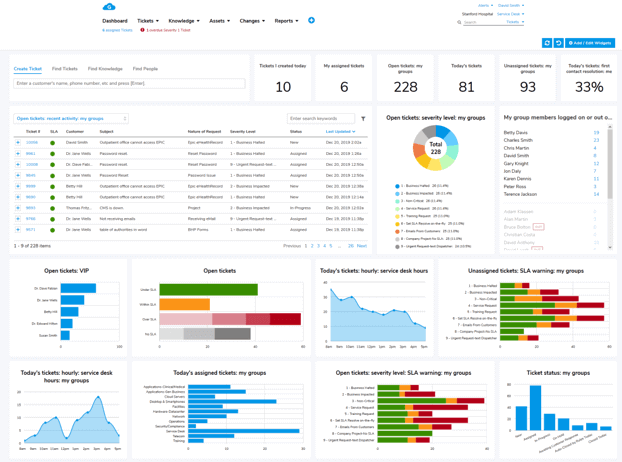
- Custom dashboards, making it easy to track key metrics like first-call resolution, ticket volume, and SLA compliance in real time.
- Rapid-deployment cloud software with intuitive setup and minimal training required.
- Functionality to manage tickets and automate workflows. They route requests, resolve repeat issues, and free agents to focus on customers who need more help.
- Robust analytics to give leaders real-time dashboards and insights so they can spot problems early and act fast.
But that's not all! Learn more, get a demo and start a free trial today.
5 Core Pillars of Contact Center Transformation
-
AI-Powered Insights and Automation
As we mentioned earlier, AI is here to support agents and leaders, not replace them. The difference between winners and losers will come down to how effectively they use these tools. Examples include intelligent routing, sentiment analysis, real-time coaching, chatbots for simple requests, and Robotic Process Automation (RPA), reducing manual effort without requiring agent involvement. RPA is especially valuable for back-office tasks that follow predictable rules, such as updating CRM records after a call, logging tickets, or routing follow-up actions.
With conversational AI , AI-driven virtual agents handle routine inquiries, reduce inbound call volumes, and free human agents to focus on complex interactions where judgment and empathy matter most.
Combined, these capabilities create a robust, always-on customer service operation.
Predictive analytics go a step further. They help teams anticipate demand surges, service spikes, and early signs of customer frustration.
Moreover, AI-powered Agent Assist tools provide real-time coaching during live interactions, identifying relevant knowledge, suggested responses, and next-best-action prompts without interrupting the conversation.
At the supervisor level, automated sentiment analysis flags calls that need attention, reducing the burden of manual monitoring and helping prevent supervisor burnout.
Beyond assist, the leading edge of AI in contact centers right now is agentic AI, systems capable of taking autonomous, multi-step actions without human direction. Unlike a chatbot that answers predefined questions, an AI Agent can complete an entire workflow, such as look up account history, process a return, update a CRM record, and send a confirmation, all without involving a live agent at any point. This is the capability behind the Gartner prediction that 80% of common service issues handled autonomously by 2029, with a 30% reduction in operational costs.
Contact center leaders evaluating transformation platforms should ask vendors specifically about agentic AI: what workflows can it handle end-to-end, how does it hand off to a human agent when needed, and what governance and audit controls are in place? The distinction between AI Assist (AI that helps a human) and agentic AI (AI that completes the workflow independently) is significant for cost planning, staffing models, and customer experience design.
Key takeaway: AI speeds up decision-making. It frees agents to spend more time understanding and solving customer problems. For customers, it means a more complete experience from search to service.
-
CCaaS and Cloud Migration
Remember the cloud? It was one of the trendiest tech topics before AI took center stage, and it's still vital today. In fact, cloud migration has become a baseline expectation for modern organizations. Storing data anywhere else is risky and limits flexibility.
Enter CCaaS (Contact Center as a Service). This model moves operations from on-premise systems to the cloud. Key benefits include quick setup and easy scaling. It also connects with CRMs and analytics tools, keeps data secure, and meets compliance standards. Cloud infrastructure also reduces maintenance costs and downtime, while updates occur automatically. As remote and hybrid work become standard, cloud systems enable teams to work anywhere and stay secure and reliable.
Key takeaway: Moving to CCaaS helps contact centers adapt faster to customer needs and new technology.
-
Omnichannel and Unified Customer Journeys
Customers expect to start on one channel, like chat or email, and finish on another without having to repeat their story. They want to pick up where they left off, no matter the time or channel. Unified journey management gives teams one clear view of the customer across every channel. For example, an inquiry started in chat can escalate to a call with full context intact.
Key takeaway: Omnichannel transformation turns fragmented touchpoints into one connected, consistent experience.
-
Data Strategy and Analytics
Traditional call centers focused on clearing as many calls as possible. Modern contact centers take a quality-over-quantity approach, all driven by data. Data is the backbone of every transformation effort. Without it, decisions are reactive instead of proactive.
Today, leading centers centralize data from every channel into one platform. Analytics then identify trends, root causes, and opportunities for improvement in real time, and help predict customer churn before it happens.
For leaders, dashboards show key metrics like customer sentiment, handle time, and agent workload. Done well, this data strategy transforms the contact center from a cost to growth that directly influences retention, revenue, and product strategy.
Key takeaway: A smart data approach helps teams learn from every customer interaction and use those insights to improve.
-
Workforce Empowerment and Training Transformation
Growth always comes with challenges, and transformation is no different. New systems, tools, and processes take time to learn. But technology only succeeds when people are confident to use it. Modern training programs combine e-learning, gamification, and AI-powered coaching for continuous development. These methods help agents perform better, stay longer, and deliver more personalized service. Workforce management tools also balance workloads and improve scheduling flexibility.
Key takeaway: Transformation succeeds when agents have the necessary support, training, and confidence to work with new technology.
These pillars form the base of a modern contact center. They bring people, technology, and data together in one system that adapts and grows with the business.
How to Implement a Contact Center Transformation Roadmap
Implementation is where most transformation efforts stall. Not because of vision, but because of planning and execution gaps. That's why a roadmap is essential. It turns ideas into measurable steps.
A good roadmap mixes big goals with quick wins so the team keeps its energy and momentum. Remember, transformation isn't one big project, it's a phased journey with checkpoints and pivots.
Ready to get started? Follow these steps to a successful transformation strategy at your business:
-
Assess the Current State
You can't look to the future without understanding where you are now. Follow these steps to complete your assessment:
- Start with a full audit of existing systems, workflows, and customer touchpoints.
- Look for pain points. Outdated systems, data silos, poor connections between tools, and uneven service metrics.
- Talk with frontline agents and managers. They live the experience every day and know where the friction is.
- Benchmark against industry standards. Look at metrics like CSAT, First-Contact Resolution, and Average Handle Time.
Deliverable: a Current State Map showing how people, processes, and platforms connect (or don't).
-
Define Clear Goals and KPIs
Now that you know where things stand, determine what you want them to look like in the future. Tie goals to measurable outcomes, such as reducing handle time by 20%, improving NPS by 10 points, or cutting manual ticket volume.
Be sure your KPIs support key business goals like keeping customers, cutting costs, and keeping teams engaged.
Deliverable: A Success Framework that defines what improvement looks like and how it will be measured.
-
Build a Cross-Functional Transformation Team
Transformation takes a team, the whole team. Most organizations work cross-functionally to sell products or support customers; the same should apply here.
Bring together leaders from operations, IT, customer experience, and HR to collaborate. Assign a clear project owner or transformation lead to maintain accountability. Meet regularly, share ideas, and set deadlines. This is where transformation moves from planning to action.
Deliverable: A Transformation Governance Model defining roles, responsibilities, and escalation paths.
-
Prioritize Technology Investments
Once your team aligns on goals, it's time to make strategic moves. Choose scalable, cloud-based solutions that integrate with existing systems. Focus on technologies that deliver measurable ROI. This could be AI-powered analytics, CCaaS and automation tools.
Avoid "tech for tech's sake." Every investment should support a business objective. Pilot new solutions in controlled environments before a full rollout.
Also, be sure to consider governance and compliance. As AI takes on a greater role in handling customer interactions, organizations must establish clear policies governing how AI accesses, processes, and retains sensitive customer data. This is especially important in regulated industries such as healthcare, financial services, and government, where data handling errors carry legal and reputational consequences.
Deliverable: a phased Technology Implementation Plan with timelines, costs, and risk-mitigation steps.
-
Plan for Change Management and Training
Transformation fails when people are left behind. To prevent that, make training a continuous process, not a one-time event.
- Communicate why changes are happening and how they improve daily work.
- Combine e-learning, coaching, and on-the-job reinforcement.
- Recognize early adopters and turn them into internal champions.
Deliverable: A Change Enablement Plan with communication milestones and learning resources.
-
Track, Measure, and Adjust
Your transformation team has turned ideas into execution. Now it's time to ensure things are working as expected.
-
Use dashboards and analytics to monitor KPIs in real time. Confirm you're seeing positive movement toward your targets. Key indicators include:
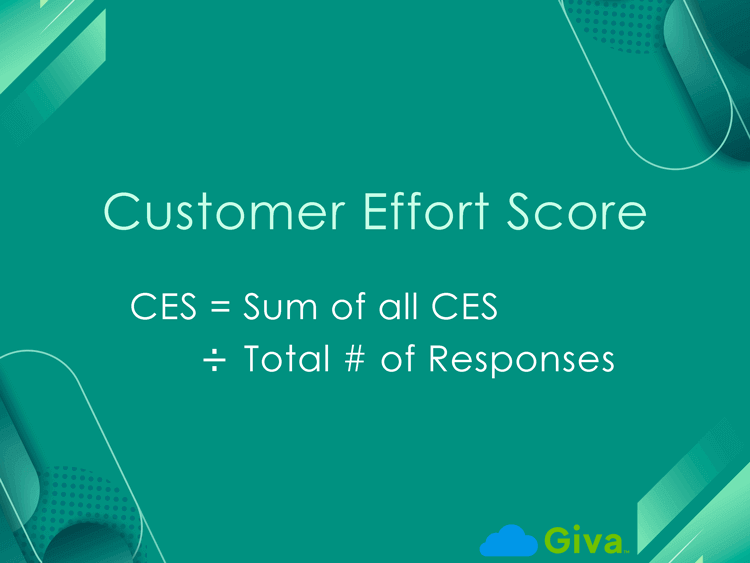
- Customer Effort Score (CES): Measures how easy it is for customers to resolve issues.
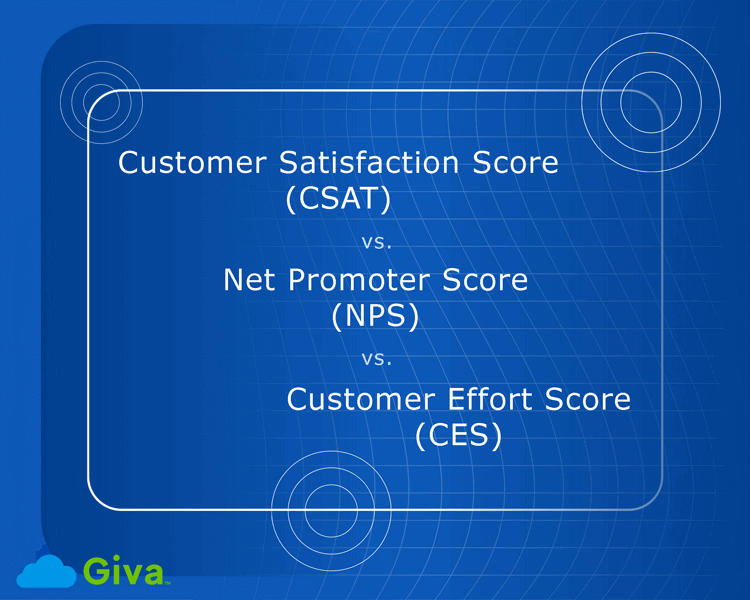
- Customer Satisfaction (CSAT) and Net Promoter Score (NPS): Reveal how service impacts loyalty.
- First Call Resolution (FCR): Indicates how effectively agents solve problems the first time.
- Average Handling Time (AHT): Tracks efficiency without sacrificing quality.
- Employee Engagement: Transformation fails if agents lose motivation or clarity.
- Hold monthly or quarterly review sessions to evaluate progress and remove roadblocks.
- Celebrate quick wins to maintain morale and momentum.
- Adapt as customer needs or technologies evolve. Transformation is continuous!
For the executive business case, the metric to lead with is cost per contact, which is the fully loaded cost of handling one customer interaction across all channels. It drops as automation takes on routine requests and agents shift to more complex, higher-value conversations.
Industry benchmarks suggest organizations with mature AI and automation typically see 20–40% reductions in cost per contact over 18–24 months of deployment. The Gartner projection already in this article of 30% operational cost reduction by 2029 from agentic AI gives you a credible, widely-cited anchor for internal presentations. Pair cost per contact with First-Call Resolution rate as your primary quality indicator. Together, they give leadership a financially grounded view of transformation ROI that CSAT and NPS scores alone cannot provide.
Deliverable: a Continuous Improvement Loop built into your daily operations.
-
Use dashboards and analytics to monitor KPIs in real time. Confirm you're seeing positive movement toward your targets. Key indicators include:
Key Benefits of Contact Center Transformation
-
Lower Costs and Higher Efficiency
Automation and AI reduce manual work and eliminate time lost switching between systems, whereas cloud infrastructure cuts hardware costs and downtime. Fewer repetitive tasks mean agents can handle more complex, higher-value conversations.
-
Stronger Customer Experience
Omnichannel platforms connect every touchpoint including chat, email, phone, and social. This means customers get consistent, fast, and personal service. AI tools help agents predict needs and solve problems before they escalate.
-
Empowered and Engaged Workforce
With access to better data and easier tools, agents can focus on helping people instead of wrestling with software. Continuous training and AI-driven coaching build confidence, improve performance, and reduce turnover.
-
Smarter Decision-Making
Leaders gain real-time insight into what's working and what's not. Dashboards pull together customer feedback, agent performance, and results in one place.
-
Scalable and Agile Operations
Cloud-based systems make it easy to expand or pivot as needs change. Whether adding new channels or supporting remote teams, flexibility becomes built-in.
Frequently Asked Questions About Contact Center Transformation
-
What is the difference between a call center and a contact center?
A call center handles customer interactions over the phone only. A contact center handles interactions across multiple channels, like phone, email, chat, SMS, and social media, from a unified platform. Contact centers also include AI, automation, and analytics capabilities that traditional call centers don't offer. The shift from call center to contact center is itself a foundational form of transformation.
-
How long does contact center transformation take?
A typical transformation takes 12 to 36 months when done in phases, depending on organization size, legacy system complexity, and scope.
Cloud migration and CCaaS deployment for a single team can take 3–6 months; enterprise omnichannel unification and AI integration run in parallel and extend the timeline.
Treating it as a phased journey with clear milestones rather than a single project is the most reliable approach.
-
What is CCaaS and why does it matter for transformation?
CCaaS stands for Contact Center as a Service, a cloud-based delivery model that replaces on-premise hardware with a subscription platform. It matters because CCaaS removes the infrastructure barrier to transformation: modern CCaaS platforms integrate natively with CRMs, analytics tools, and AI engines, and they can be updated continuously without hardware replacement cycles. It's become the baseline expectation for modern contact center operations.
-
What is the ROI of contact center transformation?
ROI varies by starting point and scope, but common measurable outcomes include 20–40% reductions in cost per contact through automation and AI, 10–20% improvements in first-contact resolution through AI-assisted agent tools, and CSAT and NPS score improvements that reduce customer churn. Gartner projects that agentic AI alone will cut contact center operational costs by 30% by 2029 as autonomous AI handles a growing share of routine interactions end-to-end.
-
What is agentic AI and why does it matter for contact centers?
Agentic AI refers to AI systems that complete entire workflows autonomously without human direction at each step. In a contact center, an AI Agent can look up account history, process a return, update a record, and confirm the outcome without any live agent involvement. This goes well beyond chatbots and AI Assist tools. It's the capability behind Gartner's prediction that 80% of common service issues will be handled autonomously by 2029. Leaders evaluating transformation platforms should ask vendors specifically what agentic workflows their system supports.
Leading the Future Through Contact Center Transformation
Contact center transformation isn't only about technology. When people, data, and AI work together, contact centers learn and improve with every customer interaction. The future belongs to teams that act now. Start with a clear roadmap, empower your people, and measure progress along the way.
Looking to get started? Giva helps teams do this through cloud-based customer service software that's fast to deploy and easy to use. It includes
- Real-time reporting
- Customizable dashboards
- AI Copilots for streamlined service
To learn more, get a demo to see Giva's solutions in action, or start your own free, 30-day trial today!

Categories: Customer Service