Enterprise Service Management (ESM) Fully Examined
Across enterprise organizations, too many mission-critical questions, problems, and service issues are getting lost in inboxes, Slack channels, and confused communications.
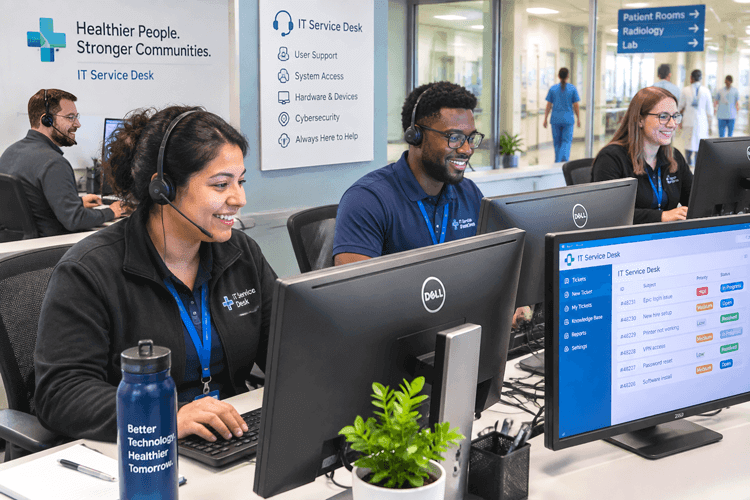
A healthcare contact center serves as a regulatory-compliant, centralized, multi-channel communication hub for a healthcare institution, like a doctor's office or hospital.
Call center turnover is a cycle that's hard to break when employees keep leaving your company.
Healthcare organizations are increasingly moving to cloud computing. The cloud offers better scalability, lower costs, and new ways to innovate. Microsoft Azure is a top choice for managing healthcare data. But there's one critical question:
Is Microsoft Azure HIPAA compliant?
Contact center Workforce Management (WFM) is an integral part of managing the people and resources of a customer service contact center.
Contact centers aren't there to simply handle as much volume as possible. At least not anymore. Today's call center impacts customer experience, data collection, and the level of trust customers place in a brand. Rising expectations are pushing these changes faster than most operating models can adapt. It's no surprise that legacy call center structures, such as phone and email-only support, can't keep up with modern demands.
Technology affects nearly every part of a business now, and when something goes wrong, the impact is immediate and can be drastic. At the same time, IT leaders are being asked to move faster, control costs, manage risk, and support new tools like AI, often all at at the same time.
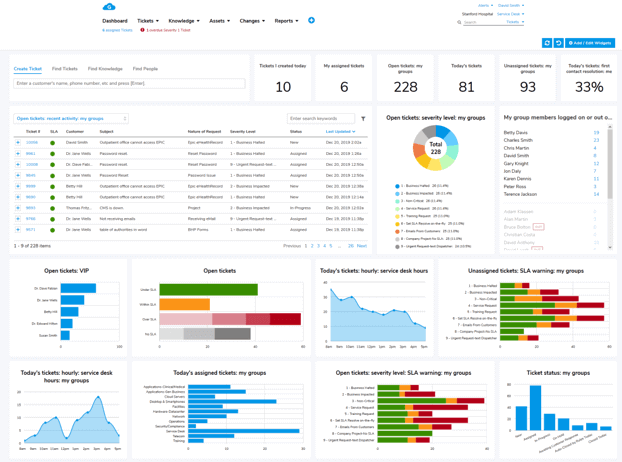
With call centers playing such a critical role in many industries, call center managers rely on data to run effective operations. They track call volumes, performance metrics, customer satisfaction scores, and many other Key Performance Indicators (KPIs). With so many numbers to monitor, it isn't always clear which metrics matter most.
Managing a call center is a difficult task. One of the most difficult components is scheduling the optimal number of employees at different times during the business day. You have to consider your employees' preferences and schedules, as well as your customers' expectations.
Today, customer service continues to change through steady improvements that make service easier, faster, and more consistent for both customers and support teams. Customers now expect quick answers, fewer handoffs, and service that feels connected across channels, while service teams are under pressure to handle more requests, solve more complex problems, and work with limited resources.
1 2 3 4 ... 26 Older Entries