Giva Blog

Help Desk, Customer Service, IT & Security Expert Insights

ITIL 4 Roles and Responsibilities: A Complete Guide

ITIL Roles & Responsibilities

ITIL roles and responsibilities define the accountability structure that makes IT Service Management work in practice. In ITIL 4, every role maps to a specific practice, such as Incident Management, Change Enablement, Problem Management, and more, making sure that someone owns each outcome, manages each process, and executes each task.
[Read More]

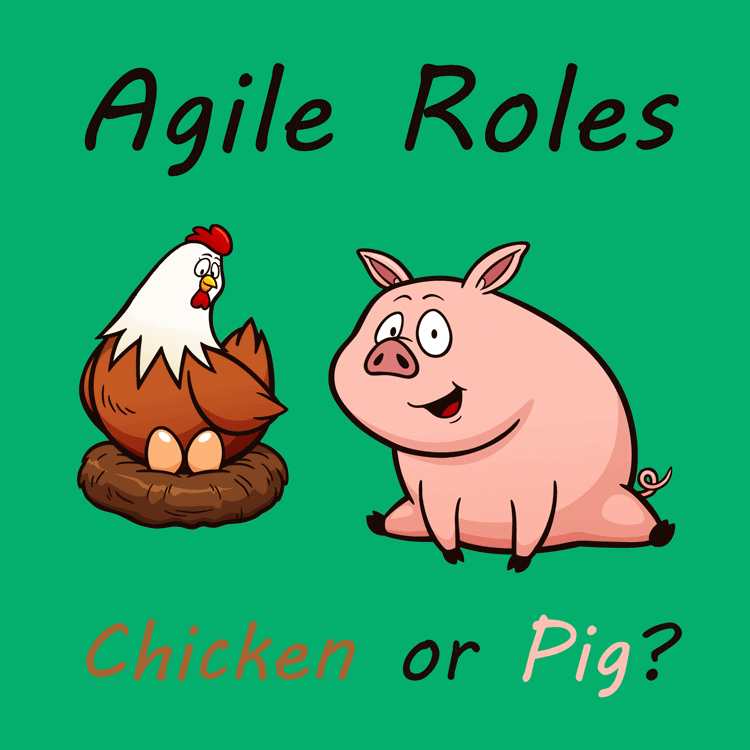
What are Chickens and Pigs in Agile: Involved vs Committed

Chicken and Pig Roles in Agile

We know Agile project management to be a continual approach to planning and performing tasks related to a project. It breaks project tasks into smaller chunks, usually referred to as sprints and iterations. Sprints sound quick, but they can take up to a few weeks - depending on what needs to be done. This approach to project management has many benefits including more freedom, efficient resource use, better collaboration, and so much more. 

[Read More]

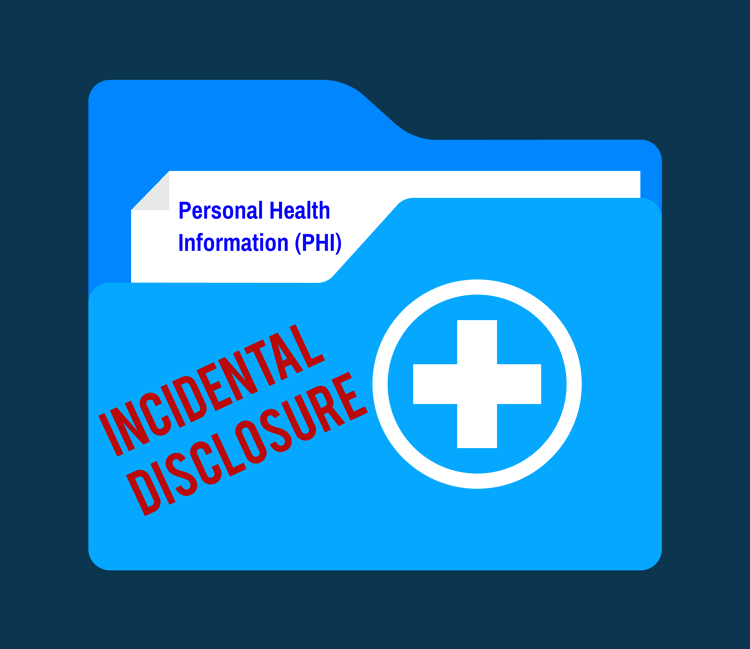
What is a HIPAA Incidental Disclosure in Healthcare?

HIPAA Incidental Disclosure

Sometimes, information not intended to be public knowledge is inadvertently shared with others. Just as easily as it can happen in a casual conversation with a friend, it can also happen in the workplace. So, what is an incidental disclosure?

[Read More]

Is This a HIPAA Violation? Take Our HIPAA Quiz

HIPAA Violations Quiz

Organizations in the healthcare field will be familiar with HIPAA, formally known as the Health Insurance Portability and Accountability Act. Signed into law in 1996, it sets a national standard for protecting personal health information (PHI). It ensures that patients know how their information is stored and shared through consultation and consent. According to the HIPAA Journal, in the twelve months leading up to October 2023, there were 678 reported data breaches that contained 500 or more records across the country. There is room for improvement in protecting sensitive PHI, especially when dealing with large databases.

[Read More]

What is SLM? ITIL Service Level Management: Meaning, Purpose and Process

ITIL Service Level management (SLM)

The ITIL Guru sat at his desk, looking over the latest additions in the Continuous Improvement Register (CIR). As a CIR review board member, he liked what he saw -- more IT staff contributing improvement ideas, making him feel good about the progress. The phone rings.

"ITIL Guru. How may I assist you today?"

"Hi Guru, this is Betty. I want your help. The CIO asked me to come to her office tomorrow. She wants me to take over the role of practice owner for Service Level Management (SLM). Since the previous owner did not communicate very often to IT, I don't know what the practice does or accomplishes. Can you give me your expert opinion about the role of SLM?"

"Betty, I am always happy to help explain ITIL.

[Read More]

Change Management Roles and Responsibilities: A Complete Guide

Change Management Roles and Responsibilities

Change management is the structured process of guiding people, teams, and organizations from their current way of working to a new one. It focuses on the human side of change, such as reducing resistance, building adoption, and making sure improvements actually stick long after a project goes live. In IT, that process is formalized through defined roles and responsibilities. Knowing who owns what is the difference between a change that is effected cleanly versus one that creates chaos. Our expert in the following has a way of making that clarity concrete...

[Read More]

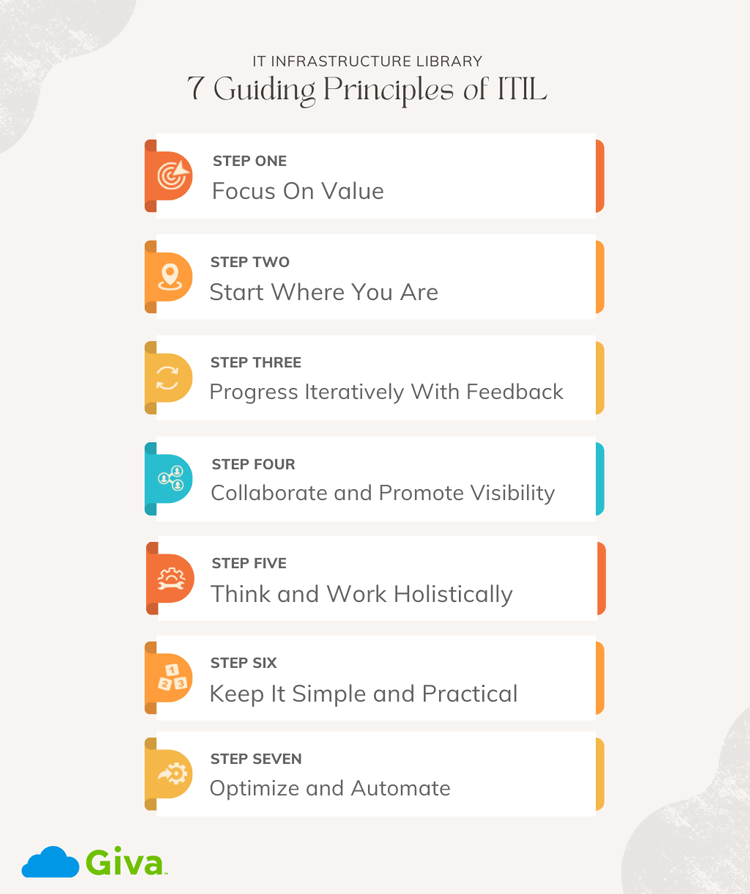
What Are the 7 Guiding Principles of ITIL 4 Plus How to Apply Each

7 Guiding Principles of ITIL

The IT Infrastructure Library, abbreviated as ITIL®, is a library of guidelines that were first introduced by the British government's Central Computer and Telecommunications Agency (CCTA) during the 1980s that outlines a complete list of best practices to be adopted for delivering IT services. The guiding principles listed in ITIL have undergone several revisions over time after they were first introduced and currently include five books, each dealing with different aspects of IT services, with one unit of the ITIL System focusing on the 7 guiding principles.

[Read More]

Customer Service Across Generations: Strategies for Every Age Group

Customer Service Excellence Across Generations

Delivering excellent customer service across generations starts with a straightforward fact: different age groups expect fundamentally different things. Generational differences in customer service preferences span communication channels, response speed, tone, and the balance between human and digital support. This may be the first time in history that representatives are tasked with serving customers from five generations simultaneously — Matures, Baby Boomers, Generation X, Millennials, and Generation Z — each shaped by distinct life experiences and technology adoption curves. A multigenerational customer service strategy cannot rely on a single approach; it requires adapting communication style, channel selection, and pacing to match the expectations of each group. This guide breaks down each generation's customer service expectations and provides practical strategies for meeting them.

[Read More]

What is Service Integration and Management (SIAM)? A Complete Guide

Service Integration and Management (SIAM)

Service Integration and Management (SIAM) technology was created to optimize the critically-needed area of IT Service Management (ITSM). SIAM providers can manage all of IT's services while also ensuring they are using best practices in their services.

[Read More]

What are the Differences Between Grid, Cluster, Utility & Cloud Computing

Computing Technologies

Organizations of all sizes utilize technology, especially computers, to facilitate their day-to-day operations. From on-site infrastructure to cloud computing, the way information is created, stored, and shared has changed drastically. Organizations that have taken a modern approach to their IT setup are not only employing cloud solutions, but also other computing methods, such as grid, cluster, and utility.

What is the difference? How can they help your organization with productivity? We want to assist you in making an informed decision on your new or updated computing setup. Continue reading to get the scoop on the disadvantages and advantages of grid, cluster, utility, and cloud computing in the workplace.

[Read More]


Newer Entires     1   ...   22   23   24   25   26   27   28     Older Entries