Tier 1 IT Support Fully Explained: Level 1 Help Desk
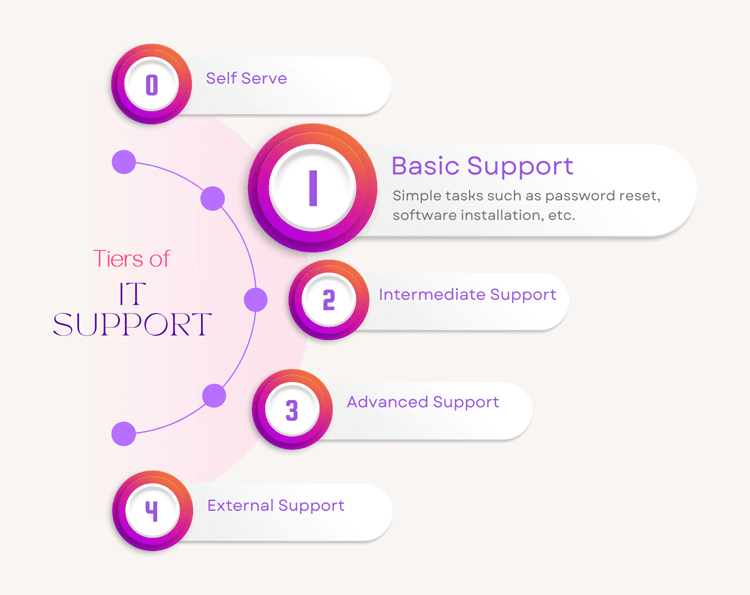
Tier 1, also known as Level 1, or the help desk tier, is the front-line of human agent support in an IT support organization.
Tier 1, also known as Level 1, or the help desk tier, is the front-line of human agent support in an IT support organization.
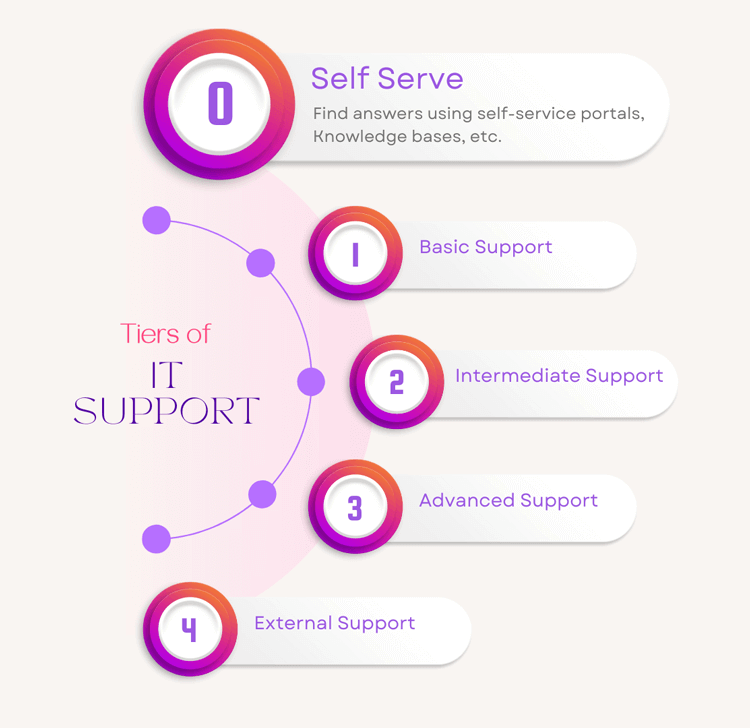
Tier 0, also known as Level 0, is the self-serve IT support level.
Also referred to as Level 0 IT support, Tier 0 is the ITSM designation for what most organizations call their self-service layer. These are the tools and resources users turn to before they ever contact a human agent. It usually includes FAQs, knowledge bases, online forums, and automated (AI-based, such as Chatbots) solutions. And, it is the fastest and least expensive type of IT support to deliver, and when done well, it resolves the majority of routine requests automatically.
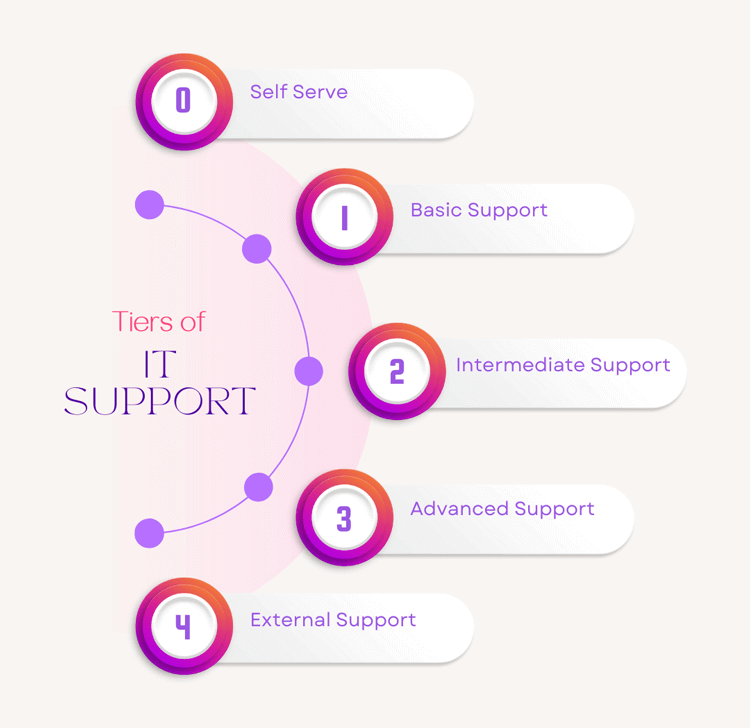
In this in-depth guide, we will explain the 5 Tiers/Levels of IT Help Desk support, from Tier 0 (self-serve) up to Tier 4 (the most advanced).

While productivity often gets the spotlight, it's IT efficiency that ensures your systems are running smoothly, resources are utilized effectively, and costs are kept under control. Downtime or other interruptions with your software and systems can cripple your business from a financial and reputation standpoint.
Different types of customers means developing different strategies for effective service, marketing and long-term revenue. While the terms "Returning," "Repeat," and "Recurring" customers might seem similar, each has unique characteristics requiring customer life-cycle approaches.
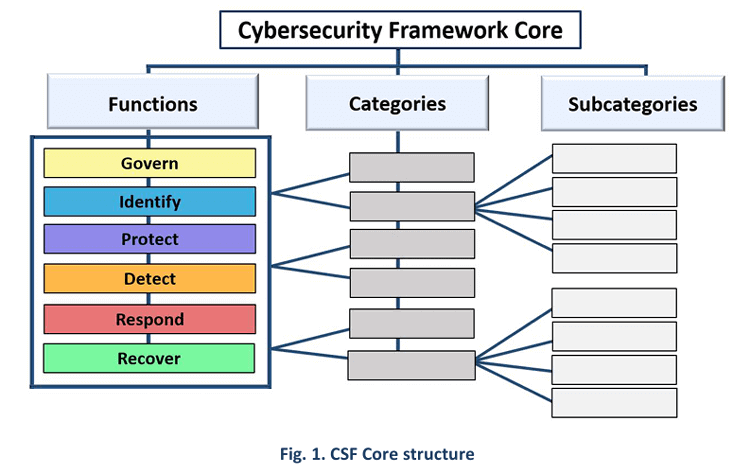
In 2014, the National Institute of Standards and Technology (NIST) created a Cybersecurity Framework (CSF) that guides organizations in their journey towards developing secure computer systems. It sets a flexible foundation that all businesses can follow and sculpt to their needs. For this reason, it is extremely successful and is employed by a large number of organizations.

Businesses today know that providing exceptional customer service is a must for attracting and retaining customers. However, even the best companies can encounter customer service gaps that hinder their performance. Identifying and closing those gaps is critical for customer expectations to be met and exceeded. Customers may give you one chance to redeem yourself, and you need to make it count!

Customer engagement is a necessary component of any successful business strategy. Studying and analyzing how to increase customer engagement then should be an important priority for any organization.
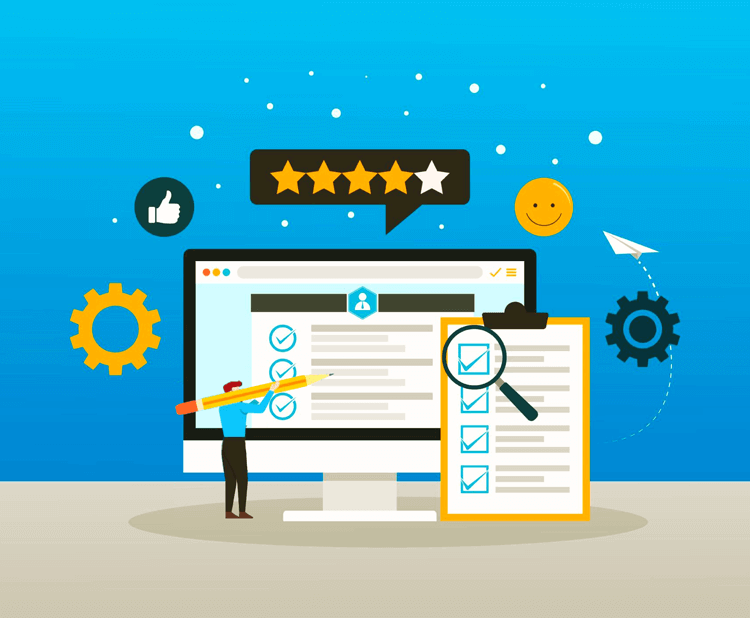
Understanding and enhancing customer satisfaction is extraordinarily important for business success. Companies can distinguish themselves by providing the best customer experience. Customer satisfaction surveys play a vital role in this process, offering businesses insights into those customer experiences and identifying areas for improvement.

Delivering outstanding customer service is essential for any business aiming to stand out in a competitive marketplace. White glove customer service is all about providing the highest level of service. That means focusing on attention to detail, personalized experiences, and exceeding customer expectations from the moment they think of you to post-purchase/service.
Newer Entires 1 ... 14 15 16 17 18 19 20 ... 30 Older Entries