16 Cutting-Edge Ideas for Improving Customer Service in 2026
Customer service is changing faster than ever. Customers now expect support that feels personal and quick with little effort, no matter where or how they reach out. In 2026, the best service teams are combining technology and empathy to make every interaction feel simple and human.
Re-visited for 2026, below are sixteen of the most forward-thinking ideas shaping customer service right now. They are practical, innovative ways to improve how your team works and how your customers relate to you.

Benefits of Improving Customer Service Using the Latest Technologies
Using some of the latest advances in technology brings new enhancements to old customer service ideals:
-
Building Loyalty and Trust
When people feel heard and understood, they stay. Modern tools help agents give faster, more personal responses that strengthen relationships and keep customers returning.
-
Making Agents More Effective
AI assistants, automation, and better interfaces take care of routine tasks so agents can focus on problem-solving and empathy, which now more than ever are the parts that matter most.
-
Improving Speed and Consistency
Integrated systems reduce delays and handoffs among them, meaning customers get consistent answers from wherever they contact you.
-
Cutting Costs Without Cutting Quality
Automation and smarter routing lower support costs while still delivering high-quality experiences.
-
Turning Data Into Insights
Analytics reveal trends, pain points, and opportunities so leaders can improve operations before issues grow.
16 Ideas for Improving Customer Service Using the Latest Technology Trends
The following is an innovative list of ideas for improving customer service that can put you far ahead of your competition, with examples:
-
Agentic AI: Smart Assistants That Take Action
The newest AI systems not only chat, but they can complete real tasks, such as issuing refunds, changing orders, or updating records, all with built-in oversight.
Example: HubSpot Breeze Customer Agent automates common service workflows while keeping agents in control.
-
AI Copilots That Work Beside Agents
AI copilots act like real-time partners. They suggest replies, summarize cases, and show relevant details as agents work, making each conversation faster and more accurate.
Example: Giva's AI-Powered Knowledge Article and Ticket Copilots.
-
Sentiment and Conversation Intelligence
Modern AI tools can analyze tone and language to understand how customers feel. This helps teams identify frustrated customers and fix problems early.
Example: Amazon Connect Contact Lens monitors every interaction for sentiment, trends, and compliance.
-
Predictive and Proactive Support
Instead of waiting for tickets, predictive analytics flag problems before they happen. This helps teams fix issues quietly in the background and surprise customers with fast resolutions.
Example: Genesys Predictive Web Engagement uses machine learning to monitor customer behavior and proactively engage visitors before they need to ask for help.
-
Unified Conversations Across Channels
Customers switch from chat to email to phone without thinking about it. A unified platform keeps every conversation connected so agents see the full story in one place.
Example: Intercom brings all customer messages into a single workspace for seamless transfers.
-
Voice AI Is Making a Comeback
Voice support is evolving with real-time transcription, summarization, and analytics that guide agents while they talk. Combined with voice verification, it improves both speed and security.
Example: NiCE Enlighten AI analyzes live calls and provides next-best-action suggestions during conversations.
-
Smarter Self-Service Portals
AI-powered self-service tools now feel less robotic. They can understand natural language and personalize answers, helping users solve problems faster without needing to open a ticket.
Example: Freshdesk Freddy AI Self Service helps customers find instant answers through AI-driven search and suggestions.
-
Digital Identity and Verified Credentials
The future of trust in customer service is digital identity. Customers can share verified information, such as proof of purchase or age, instantly and securely.
Example: ID.me allows customers to confirm credentials without manual checks.
-
Real-Time Quality Assurance
AI now reviews 100% of customer interactions, not just random samples. Managers can see patterns, detect compliance risks, and coach agents quickly.
Example: Observe.ai automatically scores all calls and provides targeted feedback to improve performance.
-
Personalized Experiences With Connected Data
Connecting service, sales, and marketing data helps teams deliver personal experiences at scale. Agents can instantly see each customer's history, preferences, and tone of past interactions.
Example: Salesforce Service Cloud integrates with CRM data to display complete customer context in every ticket.
-
Visual and AR-Based Support
Augmented reality lets support teams visually guide customers through fixes or installations. It's faster, clearer, and reduces follow-up calls.
Example: TeamViewer Frontline enables live AR assistance for field and remote customers.
-
Accessible and Inclusive Customer Experiences
Companies are making support easier for everyone by adding features like voice control, captions, and simplified layouts. Accessibility improvements benefit all users, not just those with disabilities.
Example: Apple Accessibility features show how thoughtful design can make digital help effortless for more people.
-
Real-Time Collaboration and Swarming
Instead of passing cases between departments, "swarming" brings experts together right away. AI can suggest who should join based on skills and history.
Example: Jira Service Management AIOps supports collaborative "swarm" channels that reduce resolution time.
-
Transparent AI Governance
As AI becomes central to support, companies are building clear rules for how it's used. Logging, bias checks, and human oversight are now expected parts of responsible service.
Example: IBM watsonx.governance helps teams manage risk and transparency in AI-powered workflows.
-
Employee Well-Being and Experience
Happy agents deliver better service. Modern tools focus on reducing burnout with balanced workloads, clear dashboards, and built-in recognition programs.
Example: Teramind Call Center Agent Monitoring Software tracks agent behavior, monitors for signs of burnout, and when agents may need support or training.
-
Human Connection at the Center
Even with automation everywhere, our final idea for customer service surrounding technology is a caution to be careful regarding the use of it. Empathy remains the strongest loyalty driver. Technology helps, but genuine connection is what people remember most.
Example: See our blog post on 40 Customer Service Empathy Quotes.
Conclusion: Technology and the Human Touch: The Yin and Yang of Customer Service in 2026
Customer service in 2026 is both high-tech and deeply human. AI copilots, predictive tools, and digital identity are reshaping how teams respond, but the heart of service hasn't changed.
The real power comes from combining speed and empathy:
- AI handles the routine work - so people can focus on connection.
- Agents have more insight - thanks to better data and smarter tools.
- Customers feel known and valued - because every experience feels personal.
As we move forward, the companies that stand out won't be the ones with the flashiest tools, but the ones that use technology to bring more humanity to every interaction.
Giva Can Help Your Customer Service Team Continue to Improve
With Giva's AI-Powered Customer Service Software, you'll be up and running in days, and your customer service team can be trained in hours on our intuitive and friendly interface. Giva provides video tutorials, self paced tours, quick start guides and FAQs.
Further, Giva allows you to start quickly with ticketing and then move to: knowledgebase, end user self-service portal, and customer satisfaction survey.
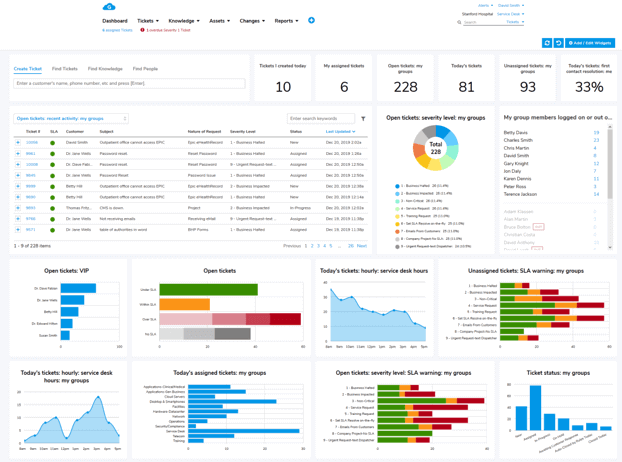
Also, our reports and dashboards are not only visually appealing, but they're easy to understand. Giva has the best real-time custom reporting and KPIs, with full color charts and graphs. You can create, save, share and schedule delivery of standard and custom reports.
Finally, don't miss our AI Copilot ticket assistant capabilities.
Let Giva take your customer service team to the next level. Book a free Giva demo to see our solutions in action, or start your own free, 30-day trial!


Categories: Customer Service